Talk To Our Engineer Now
Before you go, our engineers can review your water quality, process needs, and budget to suggest the right system - share a few details now and get expert feedback

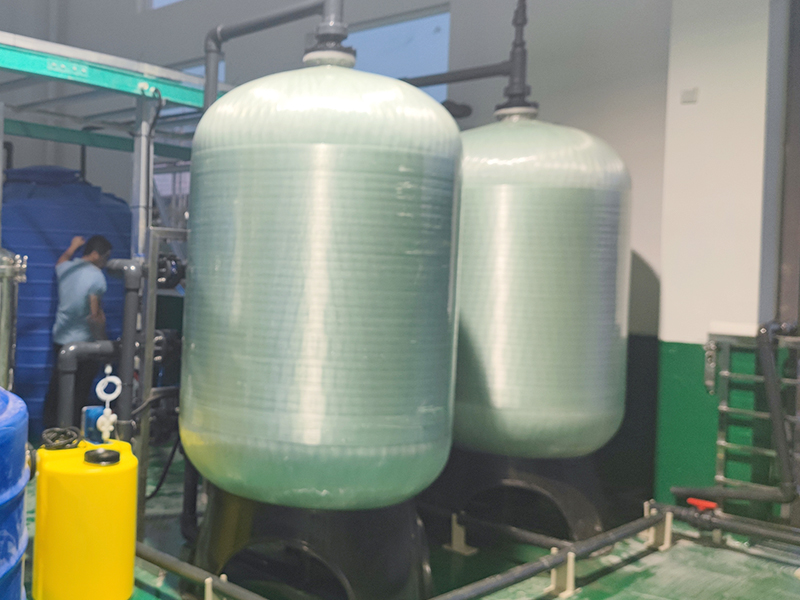
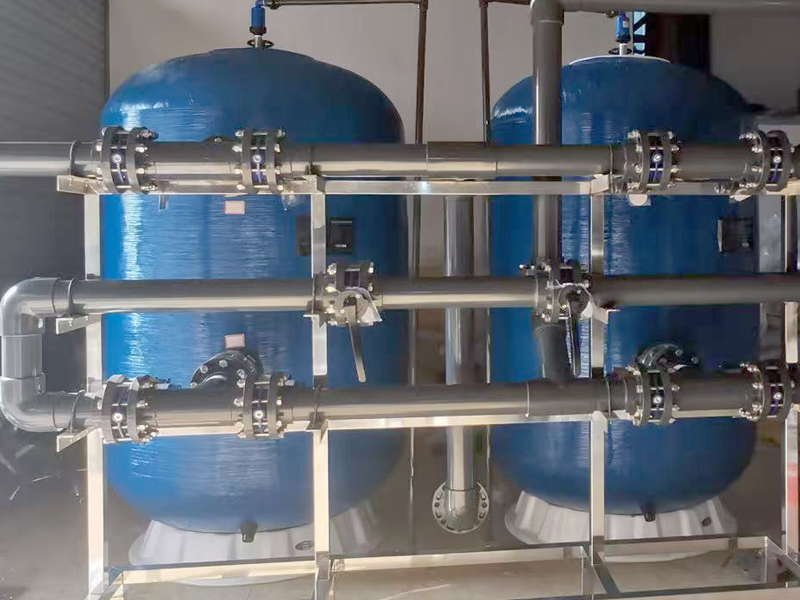
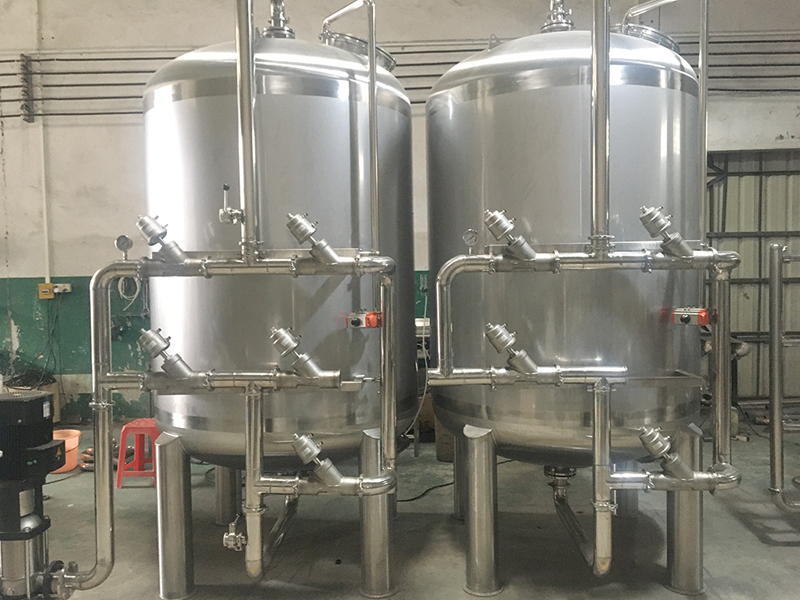
| Input You Provide | Why It Matters | What We Configure |
| Max flow rate | Determines vessel diameter/quantity and service velocity. | Tank sizing, single vs duplex, valve sizing, piping. |
| Turbidity / TSS | Affects media choice and run time between backwash cycles. | Media layers, bed depth, backwash frequency. |
| Particle characteristics | Colloidal vs non-colloidal solids behave differently. | Multimedia vs sand, optional coagulation strategy (if applicable). |
| Target water quality | Defines filtration performance requirements. | Media selection, polishing stages, cartridge filter integration. |
| Backwash availability | Backwash needs adequate flow/pressure and waste routing. | Backwash rate, pump option, drain routing. |
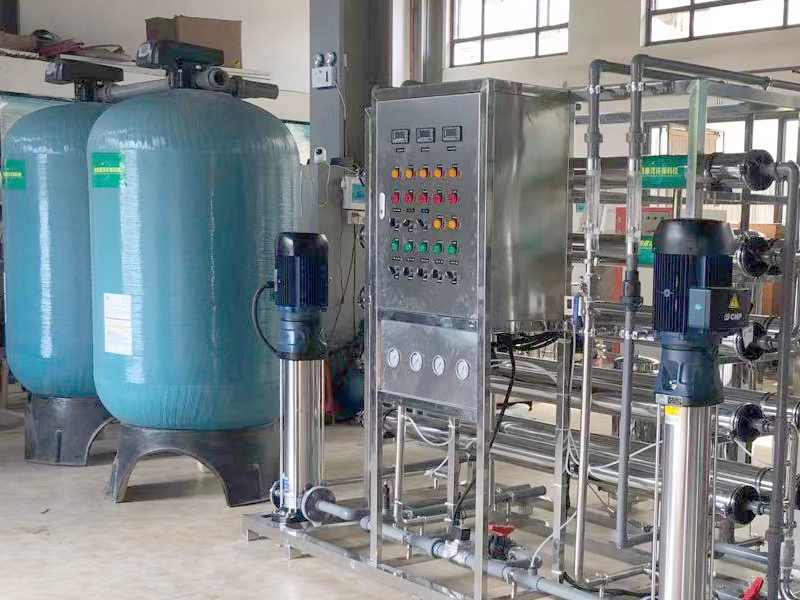
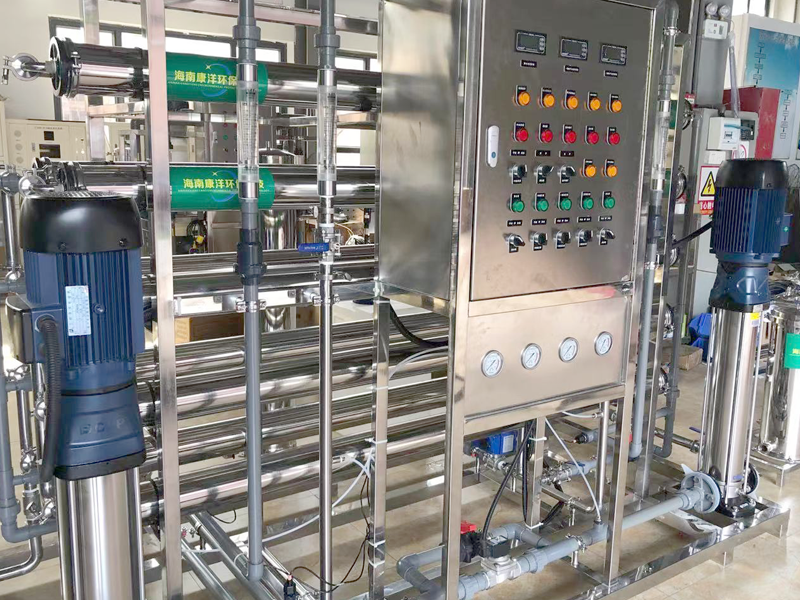
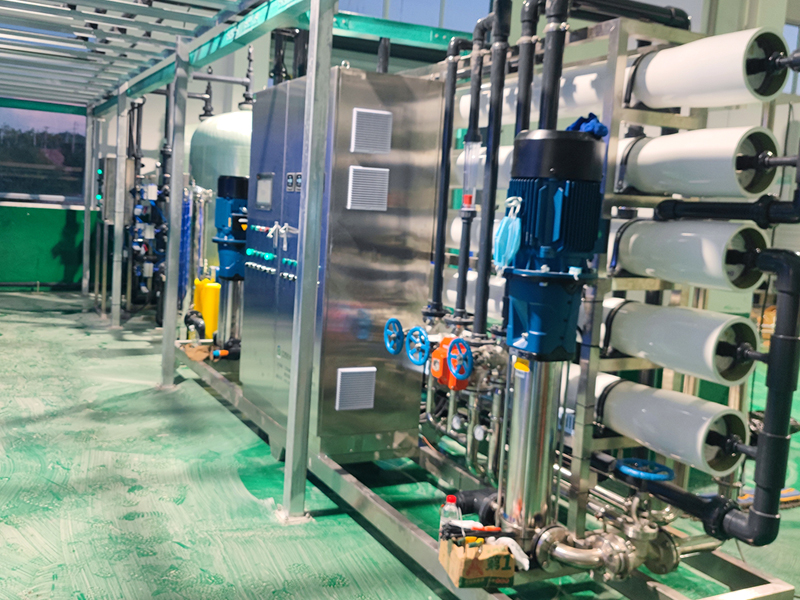
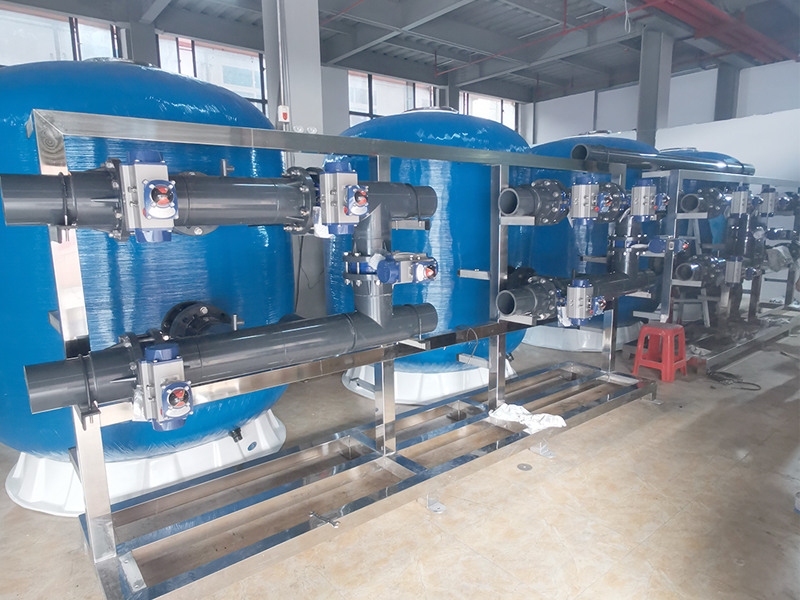
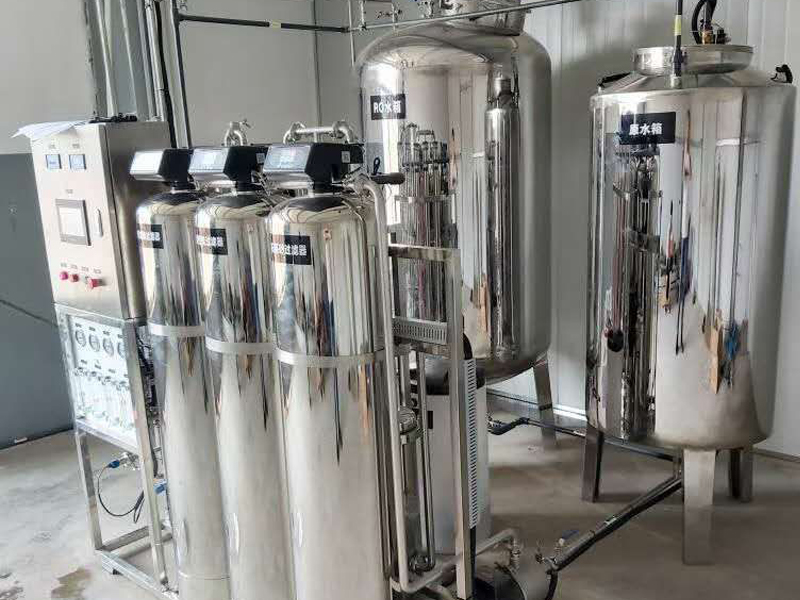
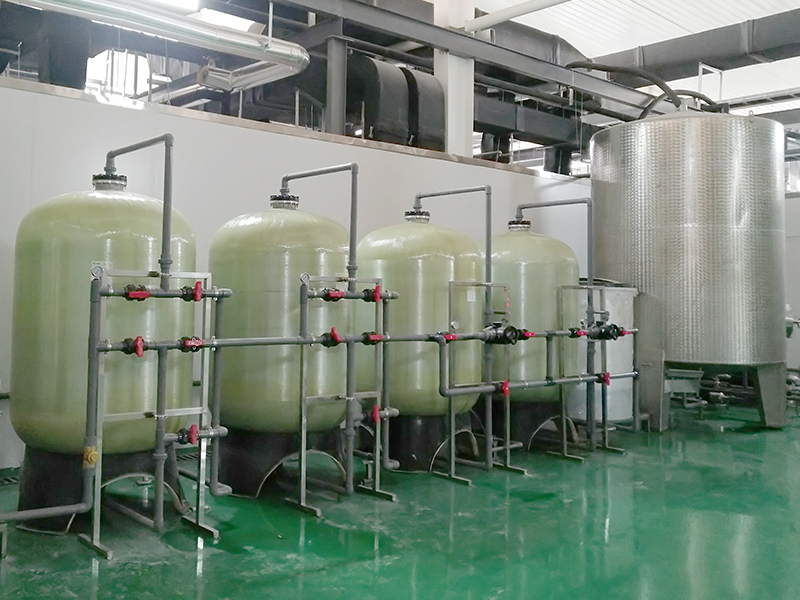
We do not select a media filter from flow rate alone. Before proposing a system, our engineering team reviews the water source, water analysis, required treatment capacity, target water quality and the role the filter will perform within the complete treatment process.
We normally begin with several key project inputs: feed water source, flow rate, turbidity, suspended solids, iron, manganese, chlorine, organic content, operating hours, available pressure and downstream treatment requirements. Based on these conditions, we determine the appropriate filtration process and media configuration.
For example, a filter used ahead of an RO system may be designed primarily to reduce suspended solids, turbidity and contaminants that could increase downstream fouling. An activated carbon system may instead be selected where chlorine or certain organic contaminants need to be reduced. Where several contaminants are present, we can combine different treatment stages rather than expecting one media bed to perform every function.
Our engineering process typically covers:
Water Analysis → Treatment Objective → Process Selection → Media Selection → Vessel Sizing → Hydraulic Design → Backwash Design → Controls & Instrumentation → System Integration → Manufacturing & Testing
We can then configure the equipment around the project, including vessel quantity and size, filtration velocity, media bed arrangement, piping connections, valves, backwash sequence, pumps, pressure instruments and automatic controls.
For new water treatment plants, we can develop the media filtration stage together with downstream softening, ion exchange, RO, UF or other equipment. For existing facilities, we can design the filtration system around the customer’s current piping, available footprint, operating conditions and required expansion capacity.
Before manufacturing begins, our team confirms the technical configuration with the customer. The system is then fabricated, assembled and tested before shipment, with technical documentation provided to support installation and operation.
This is how we approach media filtration at Aqurion: we start with the water and the treatment objective, then build the equipment around the process requirements. That engineering-led approach is consistent with established industrial water-treatment practice, where feed-water characteristics and downstream objectives determine the appropriate combination of media, equipment and treatment stages
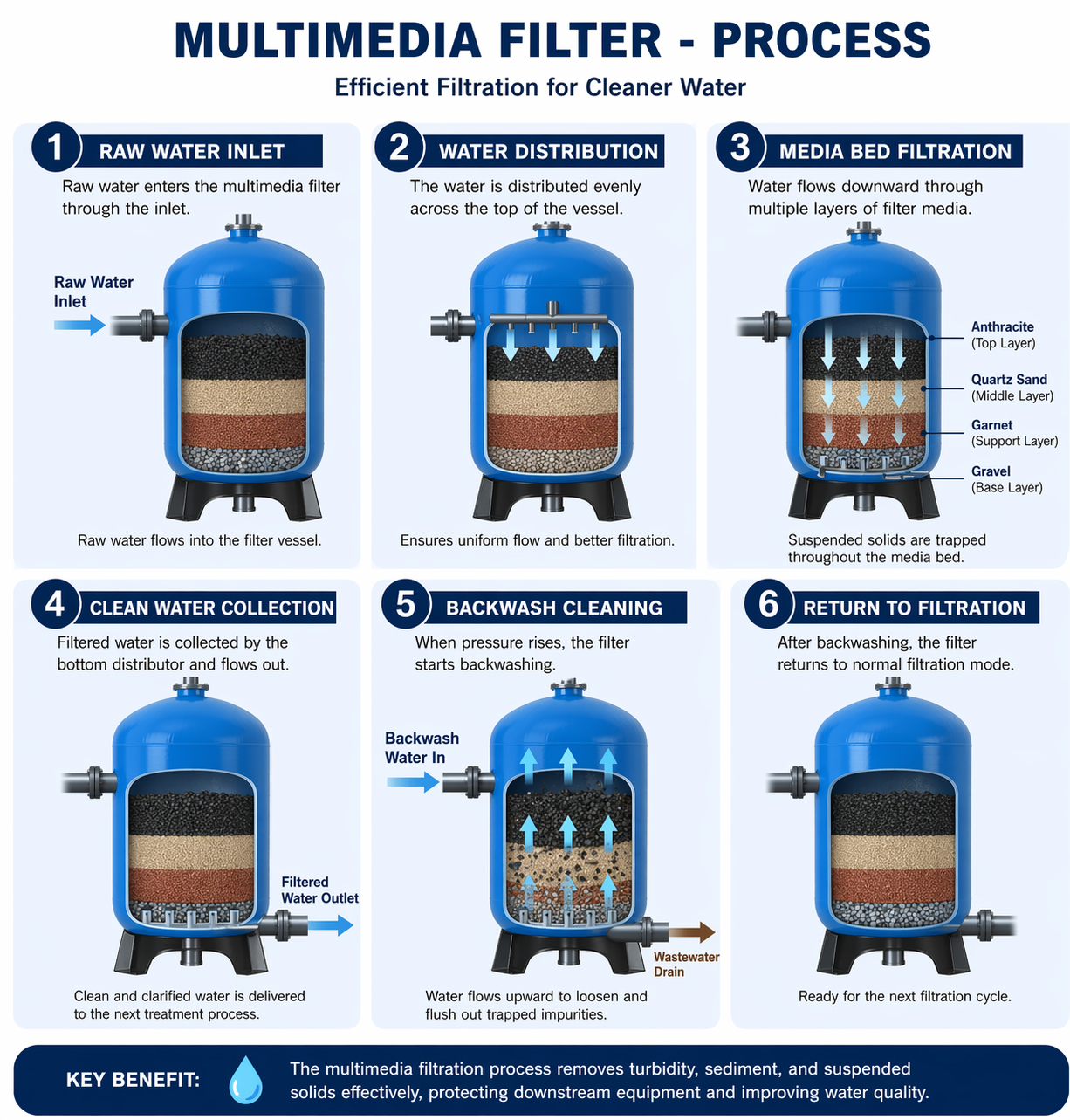
Reliable backwashing is essential to keeping a media filter operating consistently. At Aqurion, we consider backwash flow, pressure, valve sequencing and instrumentation during system design so the filter bed can be properly expanded and cleaned. Differential pressure or headloss monitoring also helps operators understand when the media bed is becoming loaded and when backwashing may be required.
The backwash water supply must provide sufficient flow and pressure to lift and expand the media bed. If the backwash rate is too low, trapped solids may not be removed effectively. The resulting backwash water must also be routed correctly to drain, collection or further treatment depending on the site requirements.
We can provide either manual or automatic backwash configurations. Manual systems offer a simpler arrangement with fewer control components, while automatic systems provide repeatable backwash sequences and can reduce operator workload in continuous-operation plants. Automatic backwashing can be initiated by a timer, differential pressure signal or other control logic.
Depending on the project, optional components may include differential pressure switches, dedicated backwash pumps and duplex filter arrangements to improve operating flexibility and system uptime.
Media layers improve range. Sand fters use a single medialayer. Mutimedia fiters stack layers (often anthracite/san/gane) to capture a wider range of partide sizes and improve performance in
many pretreatment designs.
No – that’s RO’s job
Media filters primarily remove suspended solids and turbidity. Ifyou need TDS reduction (desalination/demineralization), consider RO.
When DP rises or on schedule.
Backwash can be initiated by time, operator or diferential pressure setpoint The goal is to restore the bed before excessive head loss reduces fiow.
Flow + turbidity/TSs + target
At mininum max fow rate feed water characteristics (furbidity/TSS) and target efuent qualiy. Backwash avallablity and drain routing help finalize design.