Get The Quote In 60 Minutes

Share your water quality and project requirements today to receive a tailored industrial water treatment system from our engineer team within 1 hour.
Popup Form

Protect Your Process with Reliable Water Media Filters.

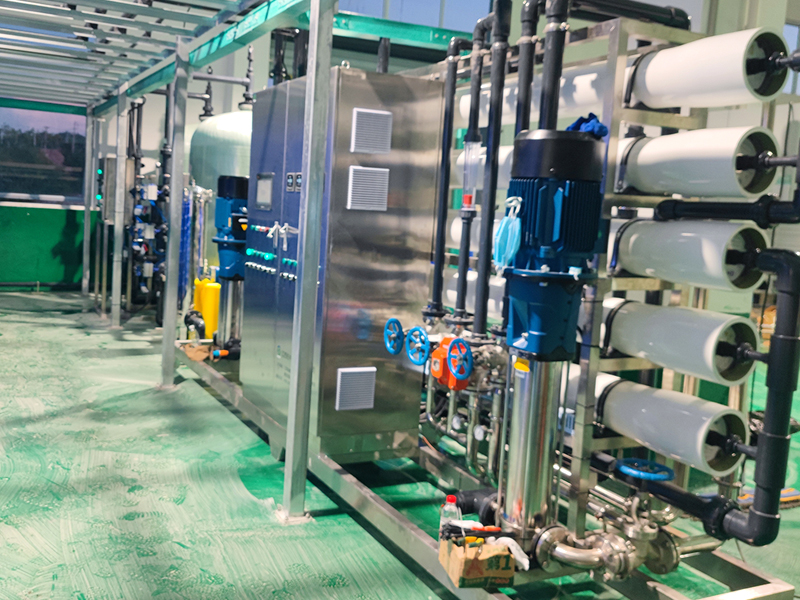
Water media filters are pressure vessels filled with filtration media (sand, anthracite, garnet, activated carbon, etc.) designed to remove turbidity, suspended solids (TSS), sediment, color, taste/odor, and specific contaminants like iron—helping stabilize your water quality and protect downstream equipment such as RO, UF, EDI, UV, and ion exchange.

What Are Water Media Filters?

Media filters are depth filtration vessels where water passes through one or more layers of media. The layers capture suspended particles throughout the bed (not only at the surface), enabling longer run times before cleaning compared with some surface filters—especially at higher solids loading.
Depth filtration
Captures solids through the media bed, supporting higher dirt-holding capacity and longer service cycles.
Stable pretreatment
Often used ahead of RO/UF/EDI/UV to improve reliability and reduce downstream fouling and maintenance.
Industrial packaging
Available as skid systems with valves, gauges, DP monitoring, and manual or automatic backwash controls.

What media filters solve

If your pain is “dirty water causes downtime,” media filters are usually the fastest, most economical first step

High turbidity / TSS

High turbidity / TSSRemoves silt, clay, grit, algae and fine particulates that drive pressure drop and fouling.

RO/UF pretreatment

Stabilizes feed quality to reduce membrane fouling risk and improve overall plant uptime.

Taste/odor & organics

Activated carbon media can reduce chlorine, odor, and organics in many applications.
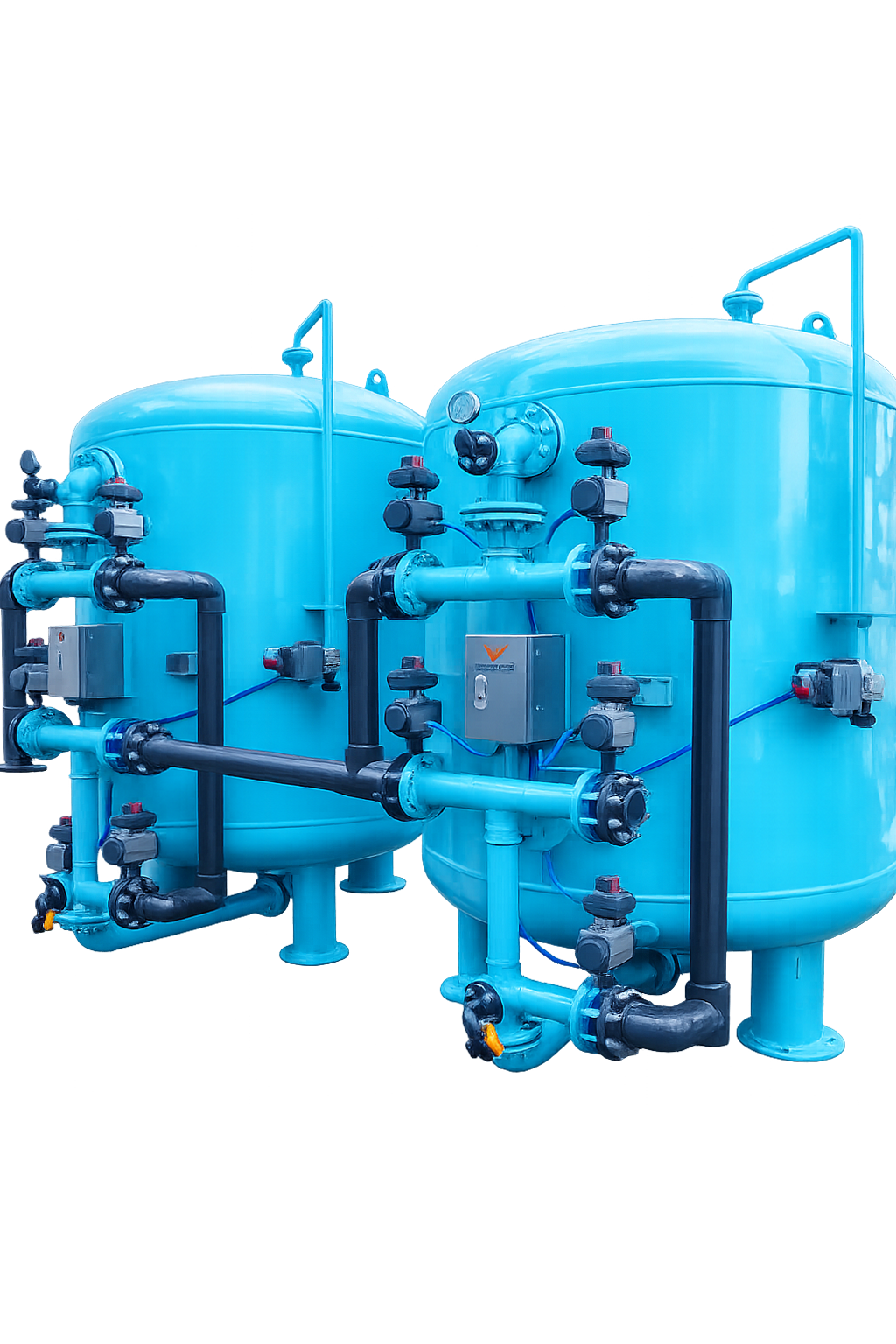
Iron / color

Activated carbon media can reduce chlorine, odor, and organics in many applications.
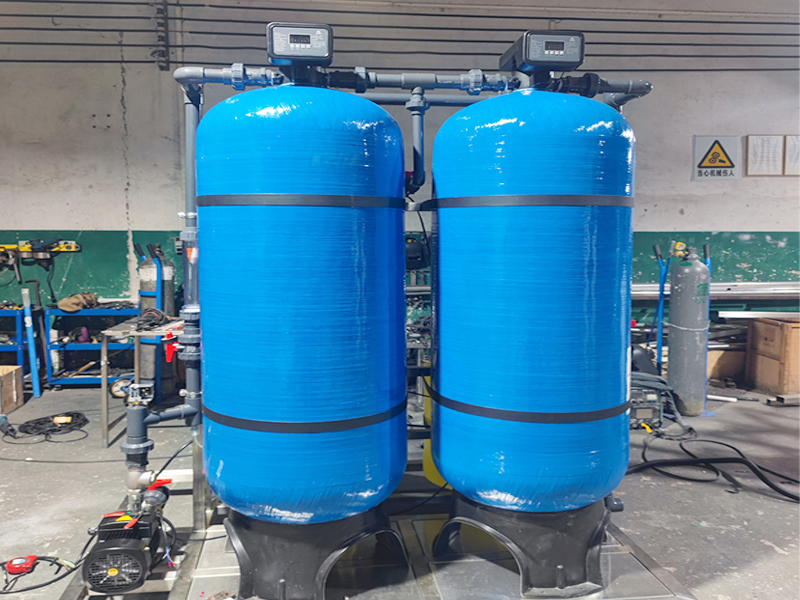
water media filters 2

Water Media Filter Types

Choose media based on what you need to remove. Multi-layer beds typically improve performance across a wider particle size range.
Sand Media Filters

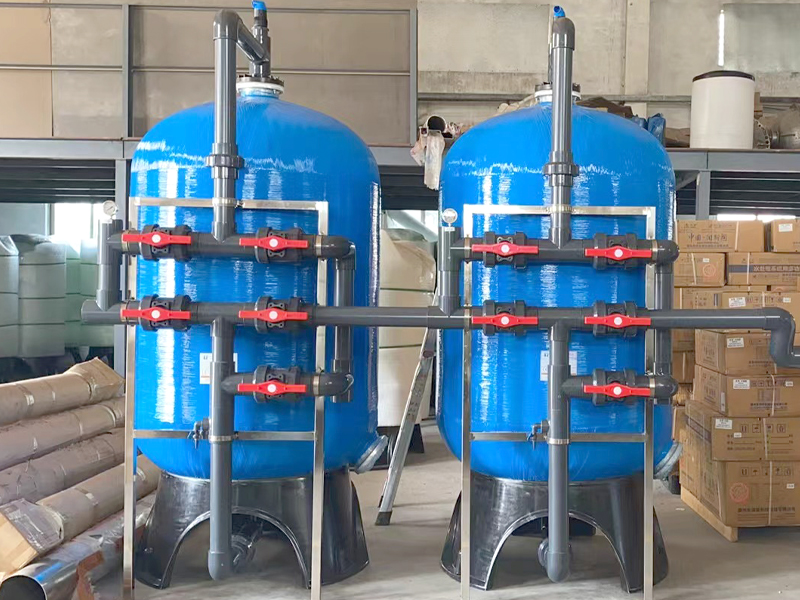
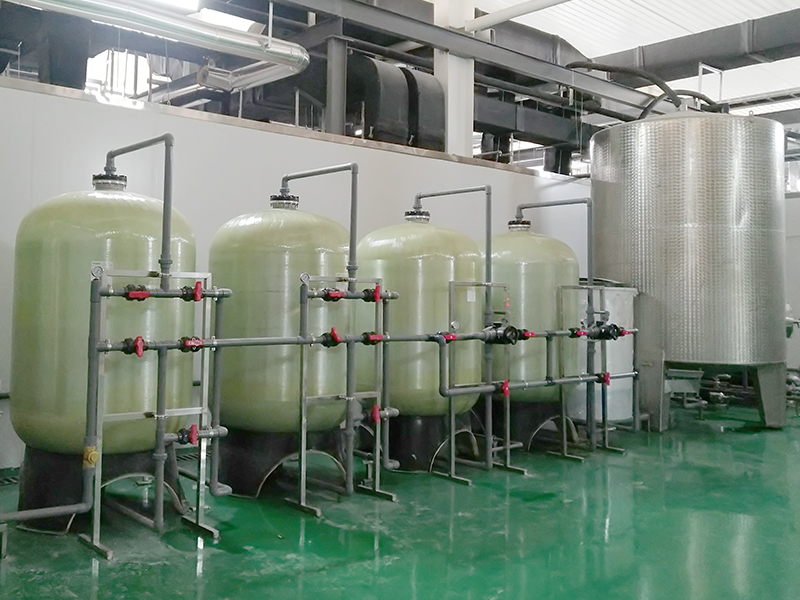
FRP Sand Filters (Single Media)

Classic pretreatment for sediment and turbidity reduction. A good baseline where solids are moderate and water quality is stable.
Best for: sediment, turbidity
Notes: backwash required
multimedia filter

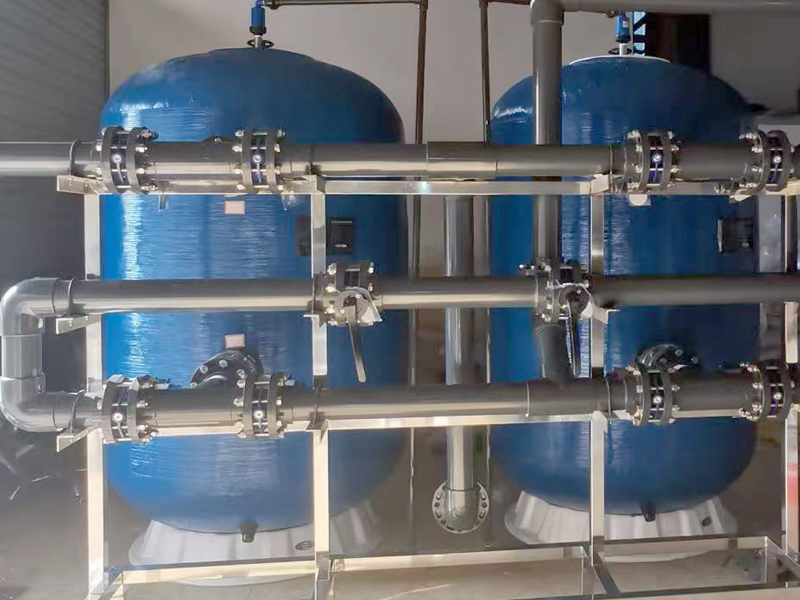
Multimedia Filters (Dual/Tri-Media)

Layered media (e.g., anthracite + sand + garnet) improves filtration over a wider range of particle sizes and reduces channeling risk.
Best for: TSS, SDI reduction
Typical layers: anthracite/sand/garnet
Industrial Activated Carbon Filter

Activated Carbon Filters (ACF)

Used to reduce chlorine, taste/odor, and many organics. Common before RO/EDI when chlorine must be removed to protect membranes/resin.
Best for: chlorine, odor, organics
Notes: carbon selection matters
iron meida filter

Iron / Specialty Media Filters

Specific media options can target iron, manganese, color, and nuisance contaminants depending on oxidation state and chemistry.
Best for: iron/color issues
Notes: confirm with water analysis
Carbon Steel Filter Tank

Carbon Steel Filter Tank

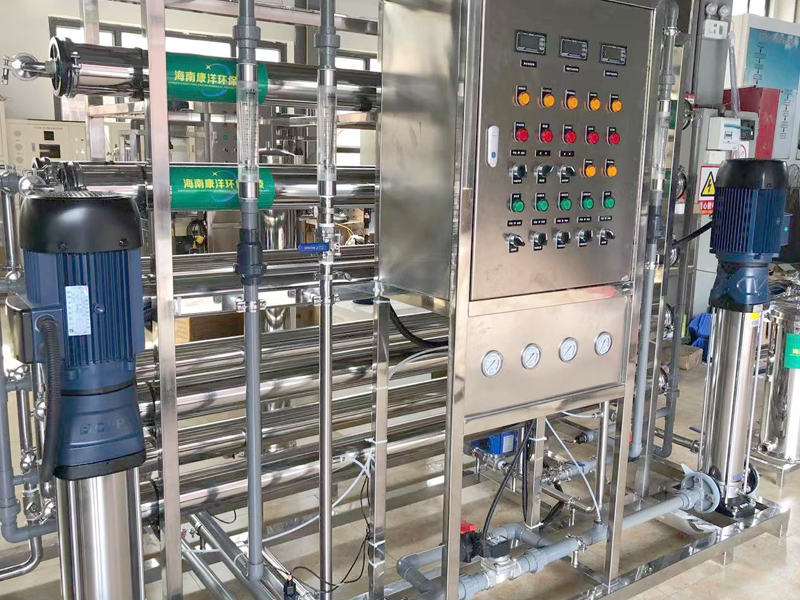
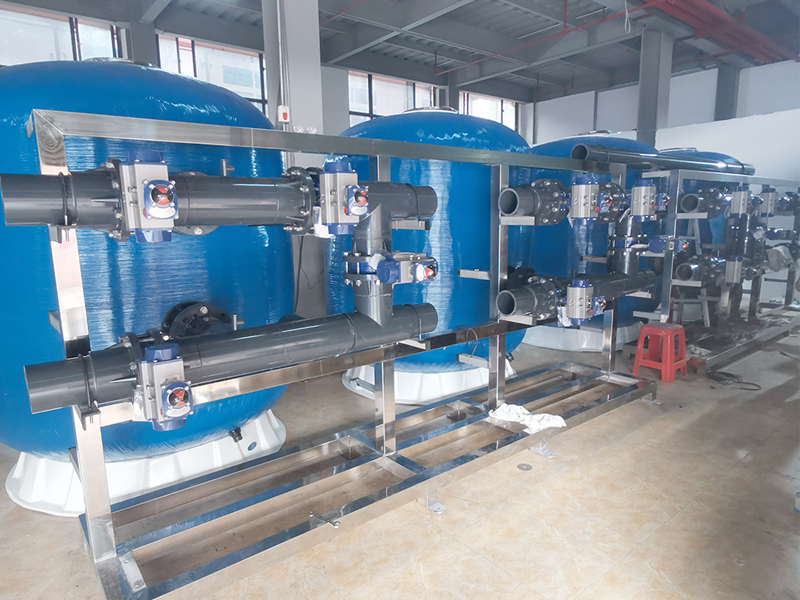
Manual valves fit simpler sites. Automatic systems use control valves/actuators and can trigger backwash by time or differential pressure.
Manual: lower CAPEX
Auto: higher uptime
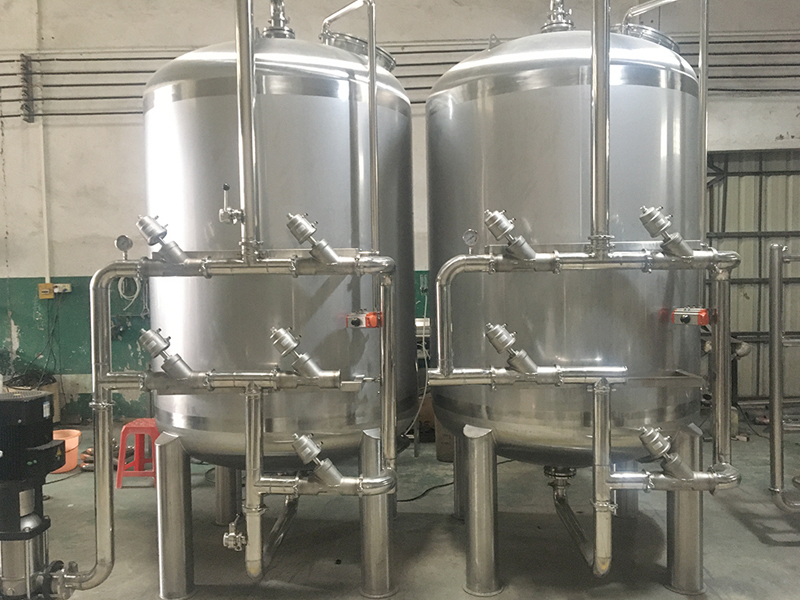
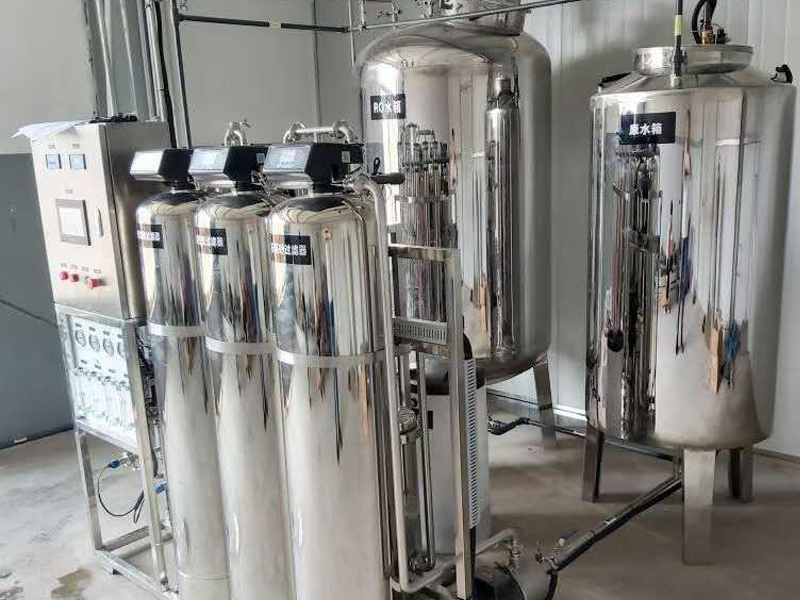
stainless steel media filter

Stainless Steel Pressure Vessels

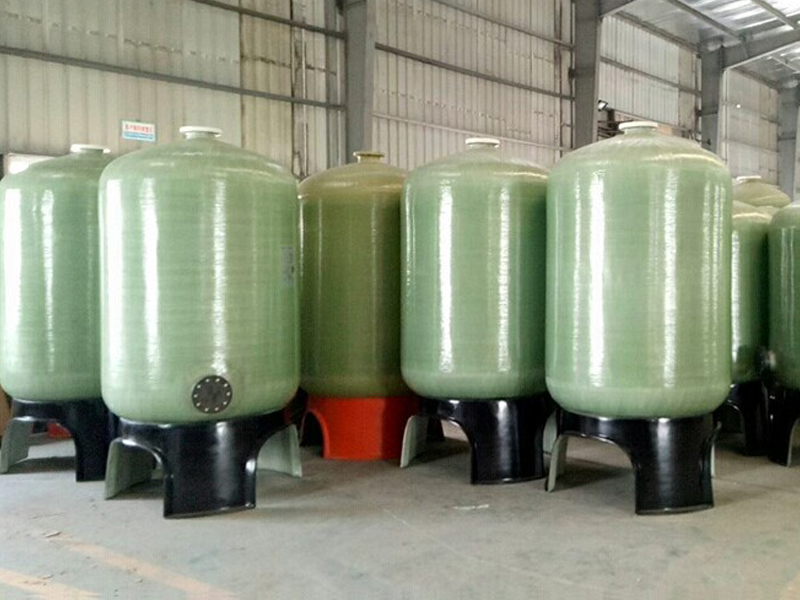
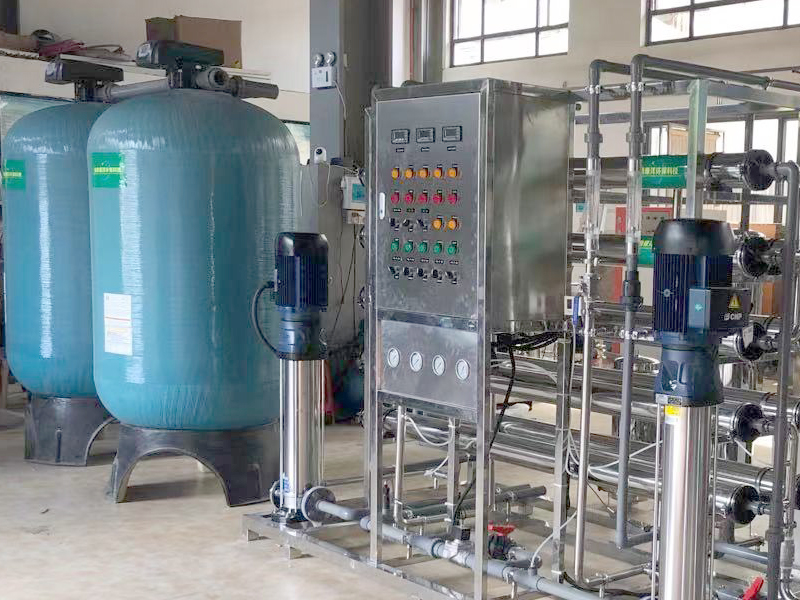
FRP vessels are corrosion resistant and lightweight. Steel tanks (epoxy-coated, stainless options) suit higher flows and industrial layouts.
FRP: corrosion resistant
Steel: heavy-duty

How Media Filtration Works

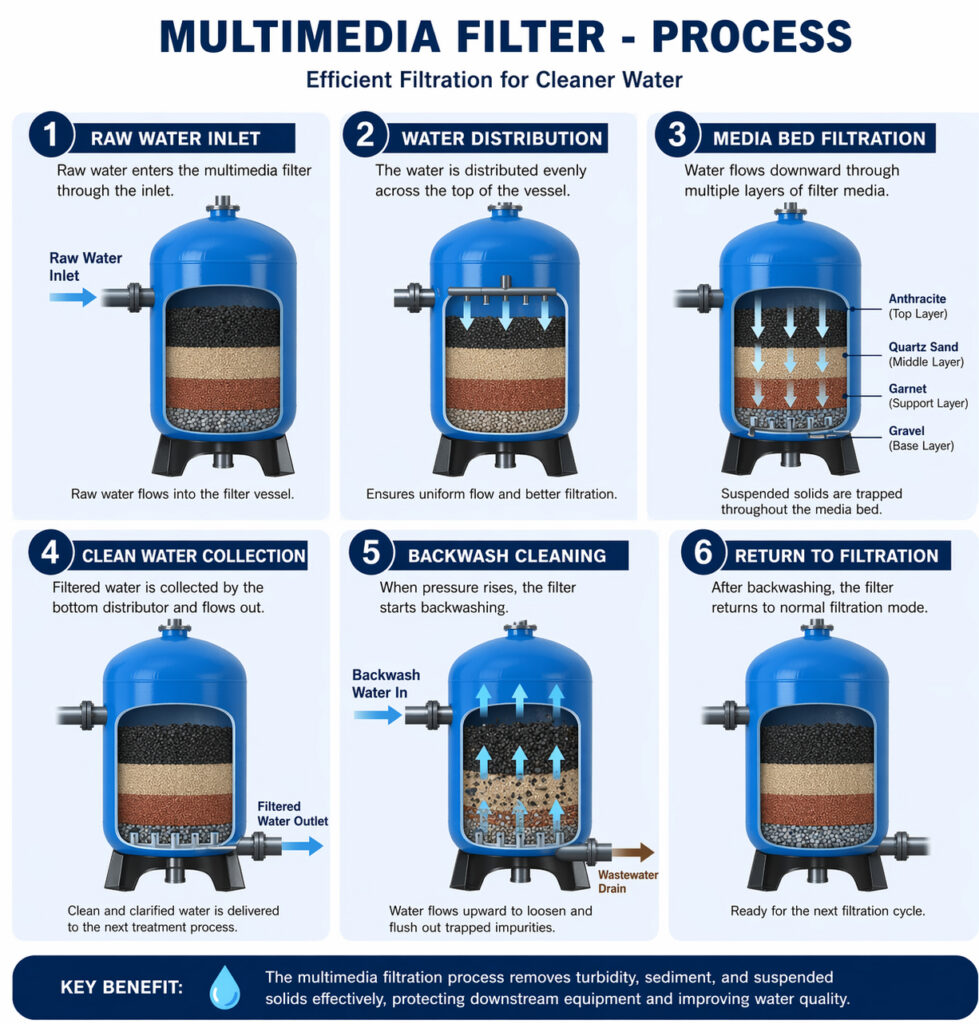
Water flows downward through the media bed during service. Particles are captured throughout the bed. When head loss (pressure drop) increases, the filter is cleaned by backwash (reverse/upflow).
Typical Operating Cycle
Service filtration → Rising DP (headloss) → Backwash/flush → Return to service

01. Service filtration

Feed water flows through media layers and suspended solids are retained across the bed depth.

02. Solids accumulate

As solids load increases, differential pressure rises and flow may begin to decrease.

03. Backwash trigger

Backwash is initiated by schedule, operator, or DP setpoint (depending on configuration).

04. Backwash

Upflow expands the media to release trapped solids; waste water is discharged per site routing.
multimedia filter process

Backwash & Maintenance: What Operators Care About

Backwash performance is the difference between a media filter that “works on paper” and one that works in real life. We design backwash rates, valve logic, and instrumentation to keep operations stable.
DP / Headloss Monitoring
Pressure gauges and DP indicators help teams know when the bed is loading and when backwash is required.
Backwash Water Supply
Ensure adequate backwash flow and pressure. Undersized backwash won’t expand the bed enough to clean it.
Waste Routing
Backwash water contains solids; routing to drain, collection, or treatment is site-specific and part of proper design.
Manual vs automatic backwash
Manual systems are simple and cost-effective. Automatic systems reduce operator workload and improve consistency—especially in 24/7 operations.
Manual: fewer components
Auto: repeatable sequences
Auto triggers: time or DP
Common add-ons
Optional accessories can improve reliability and simplify commissioning across industrial environments.
DP switch: alarm/trigger
Backwash pump: if needed
Duplex systems: higher uptime

How to Choose a Water Media Filter

Selection is not just “pick a tank.” The right choice depends on solids type, target effluent quality, and backwash constraints.
Input You ProvideWhy It MattersWhat We Configure
Max flow rateDetermines vessel diameter/quantity and service velocity.Tank sizing, single vs duplex, valve sizing, piping.
Turbidity / TSSAffects media choice and run time between backwash cycles.Media layers, bed depth, backwash frequency.
Particle characteristicsColloidal vs non-colloidal solids behave differently.Multimedia vs sand, optional coagulation strategy (if applicable).
Target water qualityDefines filtration performance requirements.Media selection, polishing stages, cartridge filter integration.
Backwash availabilityBackwash needs adequate flow/pressure and waste routing.Backwash rate, pump option, drain routing.

Applications

Where industrial and commercial media filters are commonly used as primary filtration or pretreatment.
water media for ro preatment

RO Pretreatment

Reduce turbidity and suspended solids to protect membranes and improve uptime.
Surface Water Treatment

RO Pretreatment

Remove silt, algae and organics to stabilize water quality prior to further treatment.
Industrial Process Water

RO Pretreatment

Protect nozzles, heat exchangers and sensitive equipment from particulate loading.
Cooling Water Pretreatment

RO Pretreatment

Lower solids loading and improve operational stability in cooling loops and towers.
Municipal Facilities

RO Pretreatment

General filtration for buildings, resorts, campuses, and infrastructure protection.
Taste Control (Carbon)

RO Pretreatment

Carbon media reduces chlorine and odor, supporting downstream processes and user experience.

Request a Quote / Talk to an Engineer

Send your flow rate, feed turbidity/TSS, and target effluent quality. We’ll recommend the right media type, tank size, and backwash strategy.
Product Form
Direct contact
Prefer email or WhatsApp? Put your real contact here:
Phone:+1 (000) 000-0000
esponse time:within 24 hours
FAQ