Talk To Our Engineer Now
Before you go, our engineers can review your water quality, process needs, and budget to suggest the right system - share a few details now and get expert feedback
Open intake, beach well, brine source, marine source, or offshore feed.
Media filtration, UF, cartridge filters, chemical dosing, and SDI control.
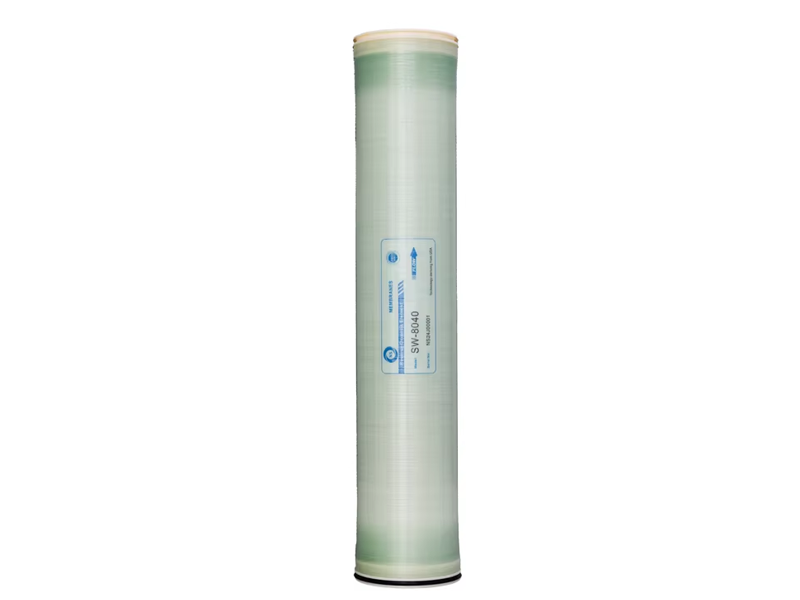
SWRO membranes remove salts under high-pressure operation.
pH correction, remineralization, disinfection, or polishing as required.
Potable, process, marine, utility, irrigation, or industrial makeup water.
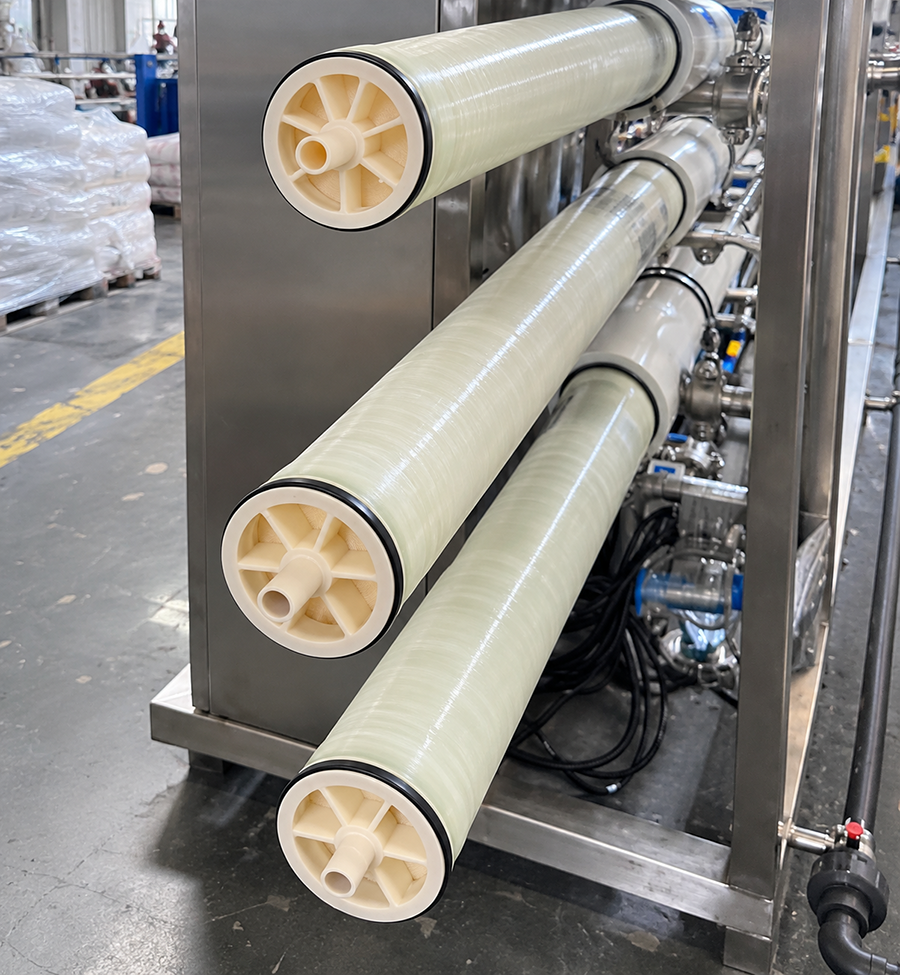
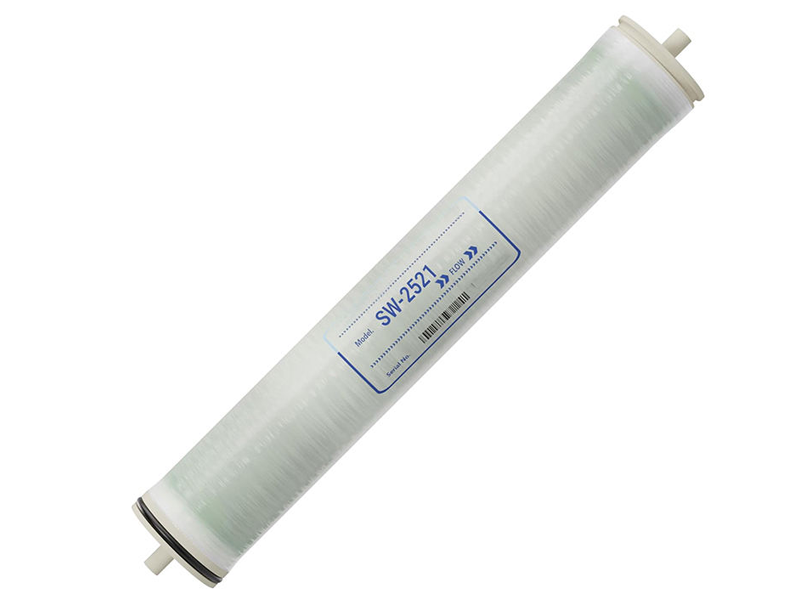
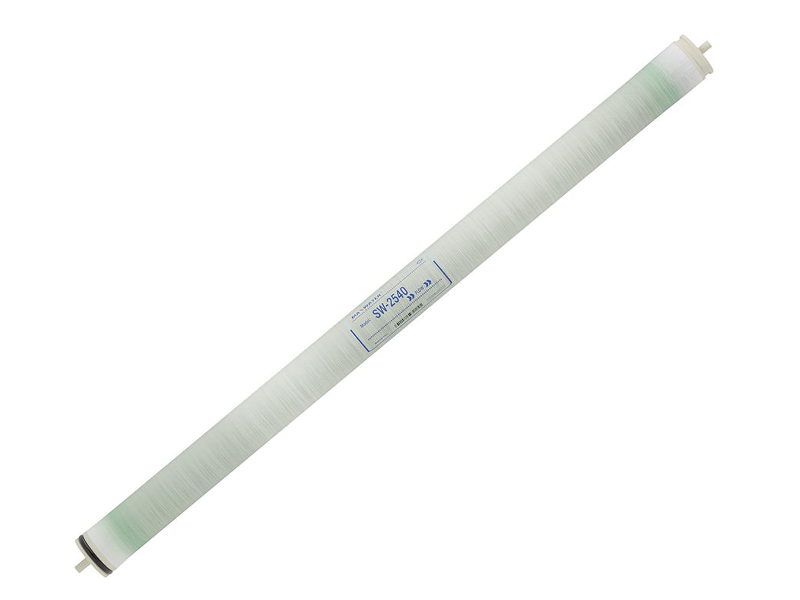
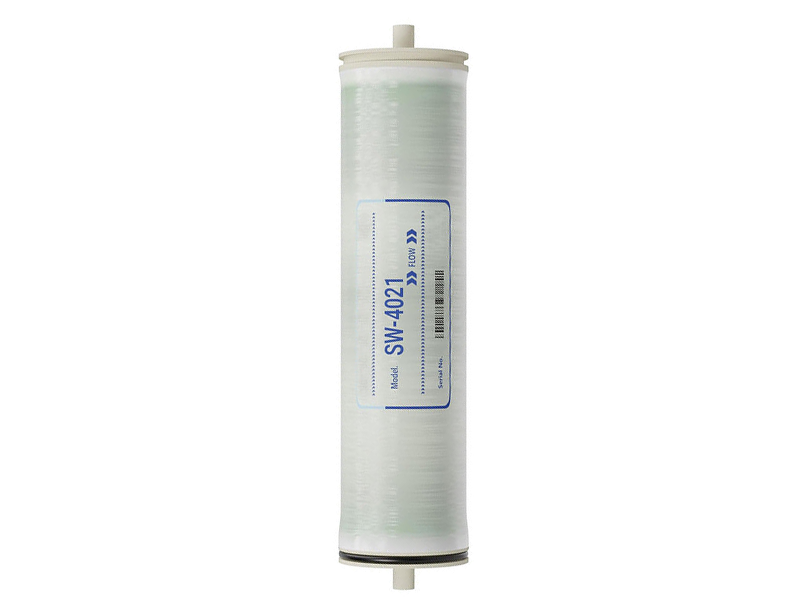
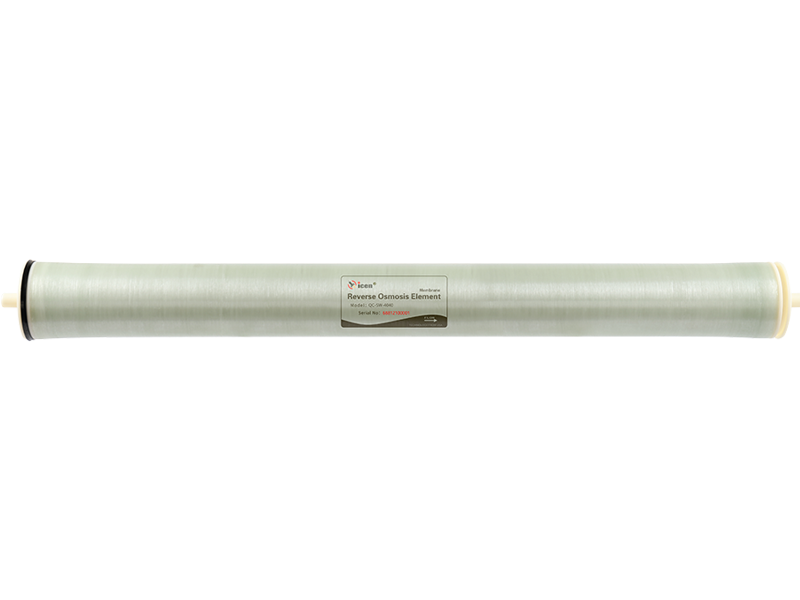
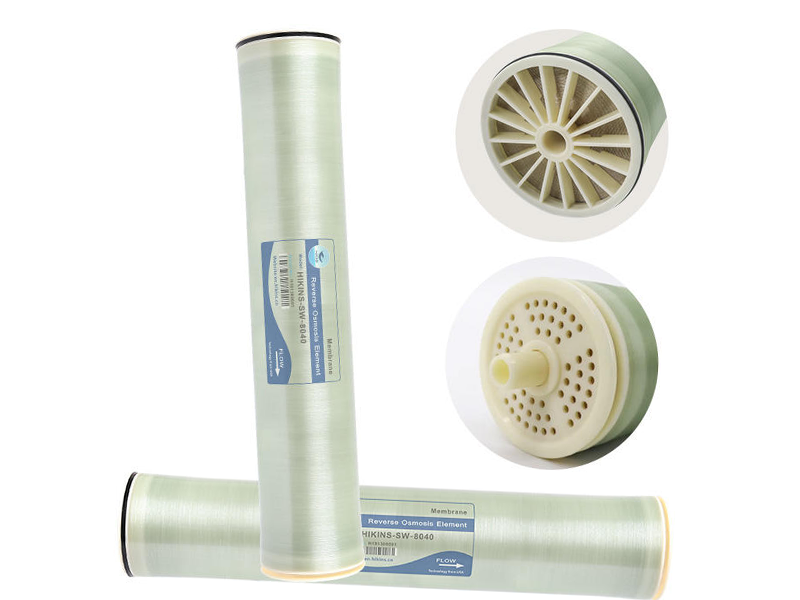
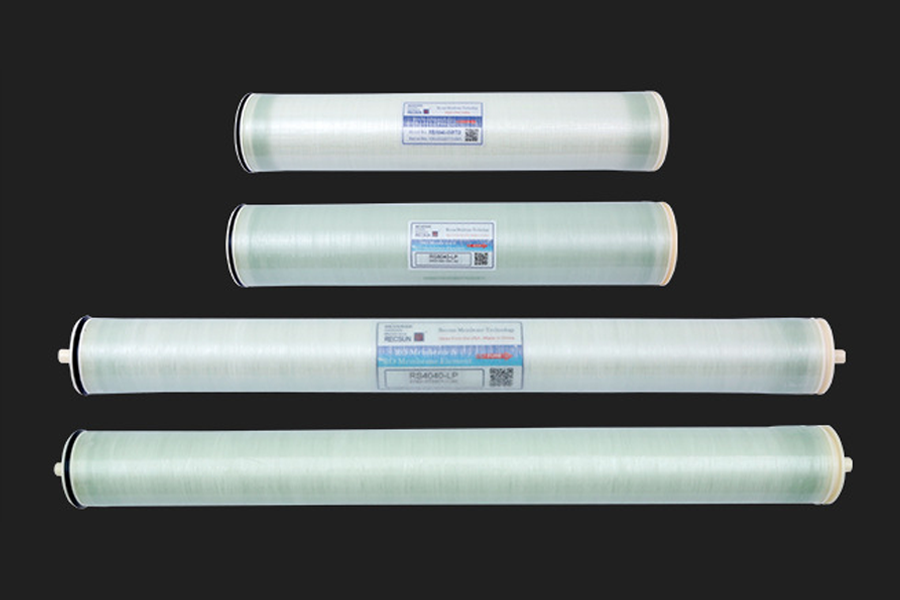
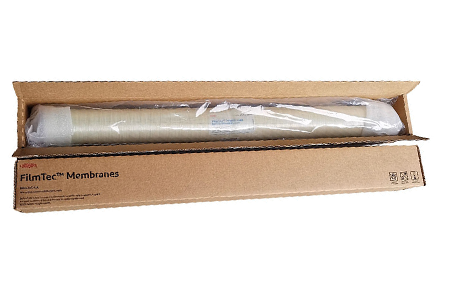
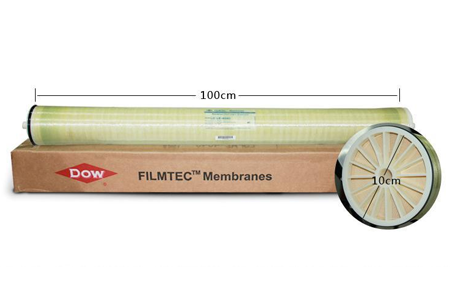
When replacing existing RO elements, matching a nominal 4040 or 8040 size is only the beginning. The buyer should verify actual dimensions, permeate tube connections, interconnectors, brine seals, and pressure vessel requirements.
An alternative product with similar physical dimensions may have different hydraulic characteristics. Installing elements with unsuitable feed-channel resistance or permeate capacity can disturb pressure distribution and operating balance.
Before specifying a replacement, review the original equipment data, including operating history, permeate conductivity, feed pressure, and normalized production figures.
For customers comparing alternative products with Toray RO references, the original manufacturer datasheet should be used to verify dimensions and operating limits. Reference to a branded element does not establish an authorized supplier relationship, genuine branded availability, or interchangeability.
Installation should follow the applicable equipment instructions, including seal orientation, loading sequence, pressure vessel inspection, flushing, and controlled startup. Initial operating measurements provide a useful baseline for subsequent maintenance decisions.
Effective pretreatment protects the membrane against suspended solids, biological growth, scaling, and oxidative damage. The appropriate arrangement depends on local water quality, intake conditions, and seasonal variation.
A pretreatment train may combine media filtration, ultrafiltration, cartridge filter protection, antiscalant dosing, and dechlorination. Activated carbon can be used in certain treatment configurations, although its suitability must be evaluated against biological fouling risks and the overall process.
Membrane surfaces may foul when particles, microorganisms, organic matter, or mineral deposits accumulate. Common indicators include declining normalized permeate flow, increasing differential pressure, and changes in salt passage.
Routine monitoring should include operating pressure, temperature, conductivity, production volume, and pretreatment condition. Cleaning-in-place procedures must follow the element manufacturer’s chemical compatibility limits.
DuPont’s technical manual and Hydranautics’ service bulletins both emphasize appropriate pretreatment, operating monitoring, and manufacturer-specific cleaning procedures.
Cleaning may restore performance affected by removable deposits, but it cannot reliably repair physical damage or irreversible oxidation. A durable operating solution depends on controlling the underlying cause rather than repeatedly cleaning a membrane that continues to foul.
Seawater membranes are generally selected for higher dissolved-salt concentrations and the corresponding operating pressures. Brackish membrane products typically serve lower-salinity conditions. The appropriate choice depends on feedwater chemistry, target permeate concentration, recovery, and equipment limitations. It is not determined by salinity alone.
Production depends on the specific element, operating pressure, temperature, salinity, and recovery. Manufacturers typically publish nominal permeate output in GPD or m³/day under controlled conditions. Actual production should be estimated using model-specific projection software and representative operating inputs rather than simply multiplying the rated capacity by the installed element count.
Potentially, but compatibility requires more than matching the nominal diameter and length. Confirm sealing geometry, interconnectors, pressure limits, feed-channel characteristics, and required operating conditions. Replacement feasibility should be checked against original equipment documentation and a suitable engineering projection before purchasing alternative elements.
A decline in normalized permeate production, increased differential pressure, or deteriorating salt rejection can indicate a problem. Operators should first investigate pretreatment, scaling, instrumentation, and operating changes. Cleaning may help remove deposits, while persistent deterioration after appropriate corrective action may justify replacement.
They can substantially reduce dissolved salts, but drinking-water suitability depends on the complete treatment process. Permeate may require remineralization, pH adjustment, disinfection, and additional contaminant control. Finished water must be tested against applicable drinking-water regulations before distribution or consumption.
Provide the existing membrane model or required dimensions, feedwater analysis, target capacity, desired permeate quality, operating pressure, temperature, equipment configuration, and required quantity. For replacement projects, photos of the original element label and the pressure vessel information can also help clarify compatibility.
Selecting a seawater RO membrane starts with understanding your operating requirements. Whether you are sourcing elements for a new desalination project or evaluating replacements for existing equipment, provide your feedwater conditions, required capacity, membrane dimensions, and quantity.
Contact us with your technical requirements to discuss suitable membrane options, confirm available product specifications, and request a quotation.