Talk To Our Engineer Now
Before you go, our engineers can review your water quality, process needs, and budget to suggest the right system - share a few details now and get expert feedback

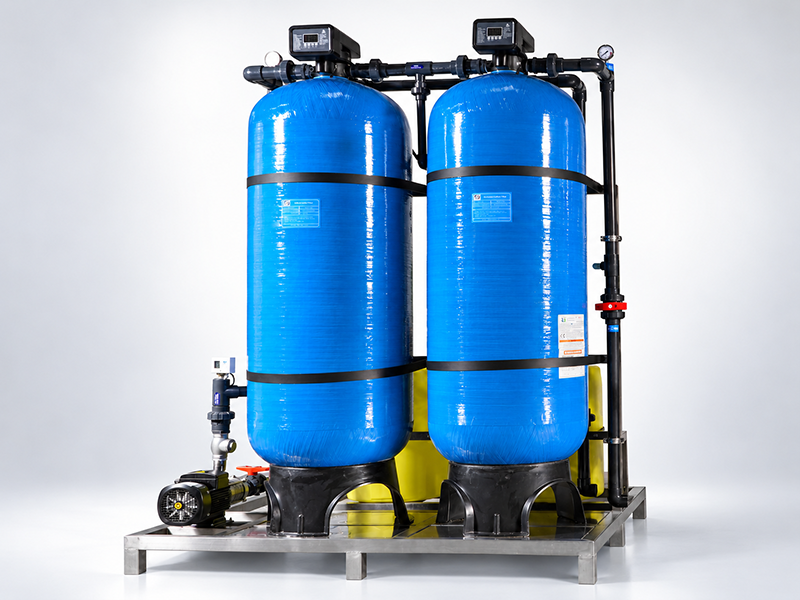
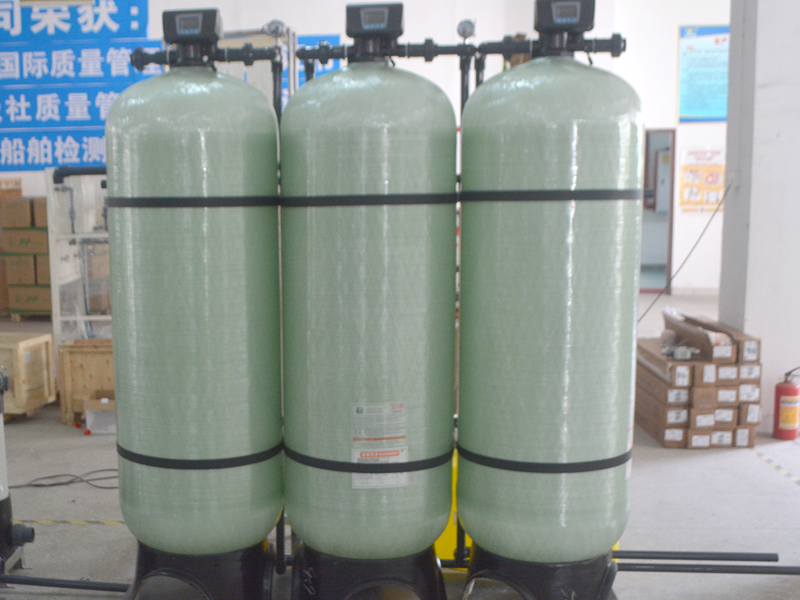
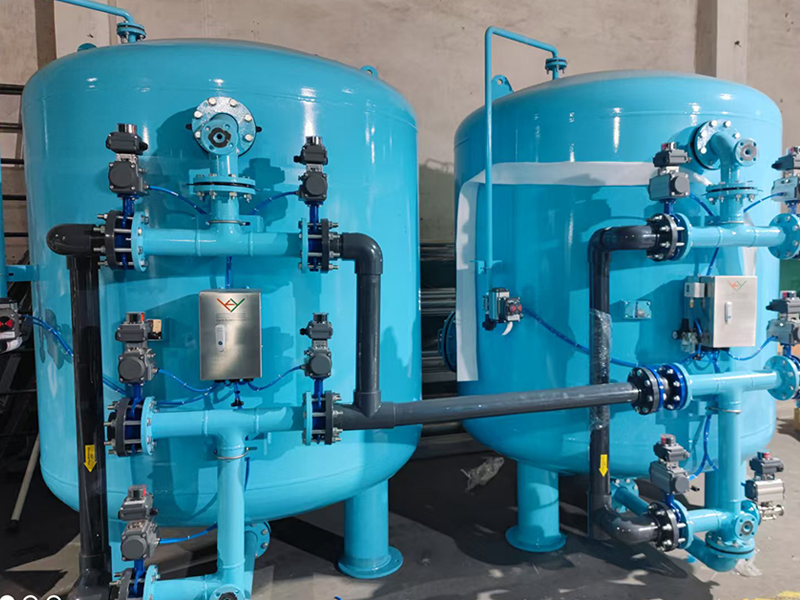
| Design Factor | What We Need to Know | Why It Matters |
| Feed water source | Groundwater, surface water, municipal water, process water or other source | Helps us understand likely solids characteristics and pretreatment needs |
| Design flow rate | Normal and peak flow where available | Used to determine hydraulic loading and vessel configuration |
| Turbidity | Typical and maximum conditions where available | Helps evaluate particulate loading |
| Suspended solids | TSS data or expected solids concentration | Influences filtration duty and backwashing |
| Particle characteristics | Particle type, size and variability if known | Helps us select appropriate media and treatment stages |
| Target water quality | Required filtered-water condition | Defines the filtration objective |
| Downstream treatment | RO, softener, activated carbon, UF or process equipment | Determines how the filtration stage should protect downstream equipment |
| Available pressure | Feed pressure and acceptable pressure loss | Influences hydraulic design |
| Backwash supply | Water availability and drainage conditions | Required for bed cleaning |
| Automation level | Manual, semi-automatic or automatic | Determines valve and control configuration |
| Installation space | Available footprint and height | Influences skid and vessel arrangemen |
| Materials | Site or process material requirements | Supports mechanical compatibility |
Well water, surface water, municipal water, reuse water or process return.
Sand or multimedia bed removes TSS, silt and turbidity.
Optional activated carbon reduces chlorine and organics.
Cartridge, UF, RO, softening or ion exchange as required.
Cooling, boiler makeup, process water, reuse or high-purity feed.


Media filtration supports both everyday industrial utilities and advanced process water systems across global markets.
Our role is not only to provide a filter vessel. We work from the project conditions to develop a complete filtration concept that can be integrated into the customer’s water treatment system.
Depending on the project scope, our work may include:
Before finalizing the system, we also consider how it will operate on site. Available backwash water, drainage, plant pressure, electrical supply, installation space and operator requirements can all influence the final arrangement.
For us, a technically suitable media filtration system is one that fits both the water conditions and the way the customer’s plant actually operates.
A media filter is rarely the only treatment process required in an industrial water project.
We can design the filtration stage so that it works with the treatment equipment installed before and after it.
Depending on the application, the process may combine:
Raw Water → Multimedia Filtration → Activated Carbon → Softening → Cartridge Filtration → RO
or:
Raw Water → Pretreatment → Media Filtration → Ultrafiltration → RO
or another process configuration based on the water analysis.
Each treatment stage addresses a different water-quality problem. Media filtration focuses mainly on suspended particulate matter. Activated carbon provides adsorption for selected contaminants. Softening addresses hardness ions. Ultrafiltration provides finer suspended-solids and colloidal separation. Reverse osmosis is used when dissolved salts and other membrane-rejected contaminants must be reduced.
We define the sequence according to the actual treatment objective instead of adding equipment simply because it is commonly used in other projects.
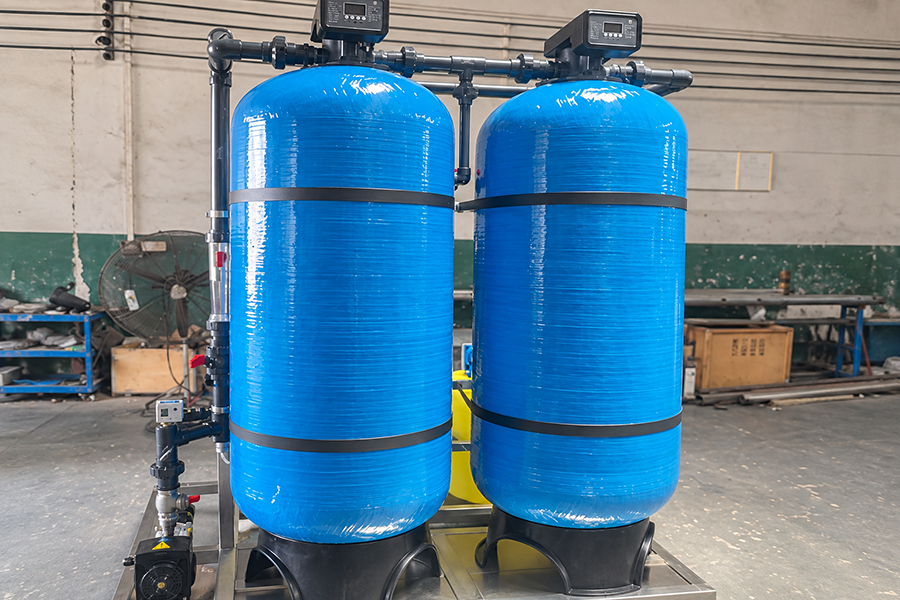
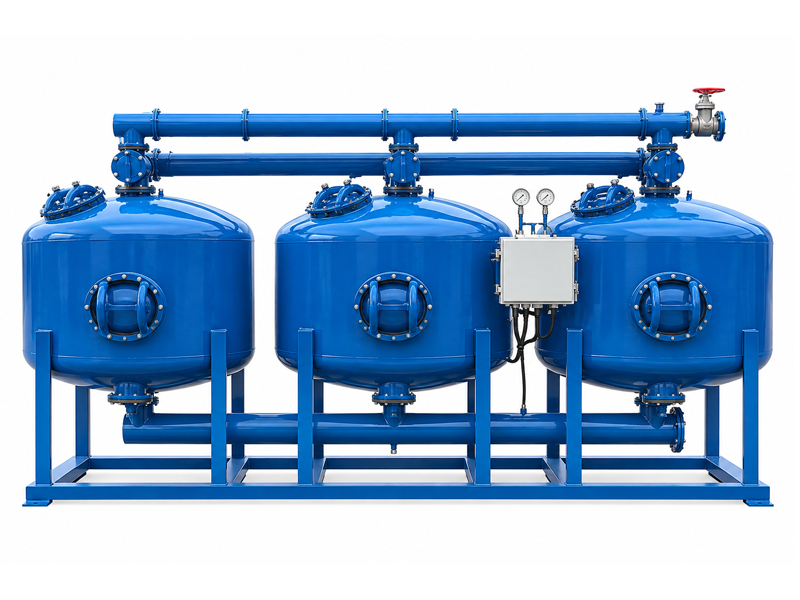
During normal filtration, we direct feed water into the filter vessel through an inlet distribution system. The water passes through the granular media bed, where suspended solids and particulate matter are retained, before the treated water is collected through the lower distribution system and sent to the next treatment stage.
For multimedia filtration, we can select media with different particle sizes, densities and filtration characteristics. Typical granular media used in water treatment may include anthracite, silica sand and garnet, depending on the required filtration duty.
By selecting and arranging the media correctly, solids can be captured through more of the media bed instead of accumulating only near the upper surface. The density and grading of each media layer must also be considered so that the filtration structure can be restored after backwashing.
We do not automatically specify a three-layer multimedia filter for every project. In some applications, a simpler single-media configuration may be technically sufficient. Our selection is based on the incoming water, solids loading, required filtered-water quality and the treatment stages that follow.
As solids accumulate in the filtration media, resistance through the bed increases. The filter therefore needs to be cleaned periodically through a backwashing cycle.
During backwashing, we reverse the water flow through the media bed so retained particles can be released and discharged. Depending on the system design, air scour or additional cleaning steps may also be incorporated.
The backwash sequence must match the selected media and vessel arrangement. We do not apply one fixed backwash flow or duration to every system.
Our filtration systems can be configured with components such as:
Depending on the project, backwashing can be initiated by operating time, differential pressure, water-quality conditions or an automatic control sequence.
For industrial plants that require reduced operator intervention, we can design the filtration and backwashing logic as part of the overall water treatment control system.
To prepare a more relevant filtration proposal, please provide as much of the following information as possible:
If a complete water analysis is not yet available, we can still discuss the preliminary process based on the known project information. The final equipment selection should, however, be confirmed against representative feed-water conditions.
Our conventional granular media filtration systems are mainly designed to reduce suspended solids, sediment and turbidity. Actual filtration performance depends on the feed water, selected media and system design. Media filtration should not be treated as a substitute for RO or ion exchange when dissolved salts must be removed.
A single-media filter uses one main granular filtration material. A multimedia filter uses multiple layers with different particle sizes, densities and filtration characteristics. We select between these configurations according to the feed-water quality, solids loading, target water condition and operating requirements.
We do not recommend one fixed media combination for every project. We select the filtration media after evaluating the water source, turbidity, suspended solids, particle characteristics, required flow and downstream treatment. Typical granular media can include silica sand, anthracite and garnet.
Yes. We can design media filtration as part of an RO pretreatment system where suspended or colloidal particles need to be controlled before finer filtration and the RO membranes. The complete pretreatment sequence depends on the raw-water analysis and RO feed-water requirements.
During backwashing, water flows upward through the media bed to loosen the media and remove trapped solids. The required backwash sequence, flow and duration depend on the selected media and vessel design. We configure the cleaning process for the specific filtration system rather than applying one universal setting.
There is no fixed replacement period suitable for every project. Media life depends on feed-water quality, solids loading, operating conditions, backwashing performance and the type of filtration media. Replacement should be based on media condition and filtration performance.
We size the system using the required flow rate, water quality, suspended-solids loading, selected media, acceptable hydraulic loading, filtration cycle, available pressure and backwashing conditions. Downstream treatment requirements are also considered during system selection.
Please send us your water source, water analysis if available, required flow rate, operating hours, incoming turbidity or suspended solids, required treated-water quality and downstream treatment process. Installation conditions and automation requirements are also useful for preparing the system configuration.
At Aqurion, we select media filtration systems according to the actual feed water and the complete treatment process rather than simply offering a standard vessel size.
Send us your water analysis, required flow rate, target water quality and downstream treatment requirements. We can use this information to evaluate the filtration media, vessel arrangement, backwashing method, control strategy and how the media filtration stage should integrate with the rest of your water treatment system.duction requirements, product-water specifications, automation levels and site conditions. Depending on the application, the package may form part of a temporary supply system, industrial project, desalination installation or longer-term sustainable water treatment solution.