Talk To Our Engineer Now
Before you go, our engineers can review your water quality, process needs, and budget to suggest the right system - share a few details now and get expert feedback

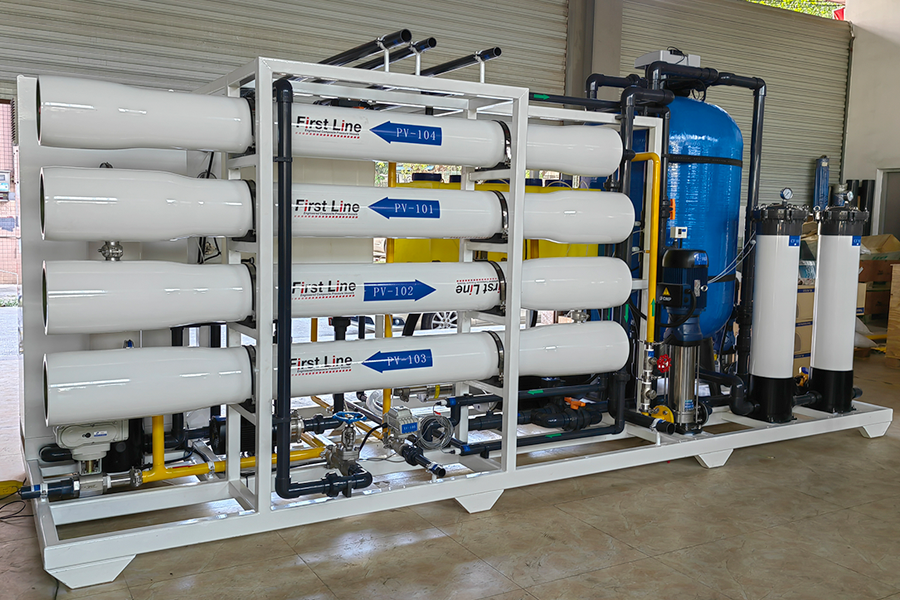
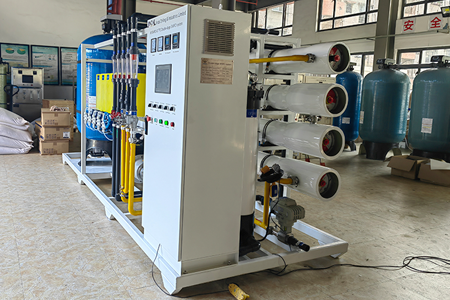
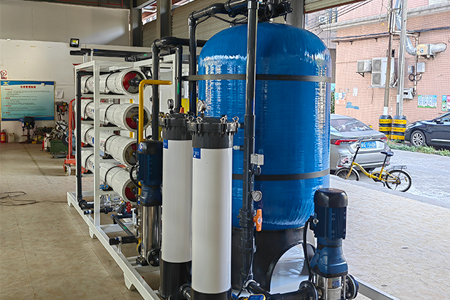

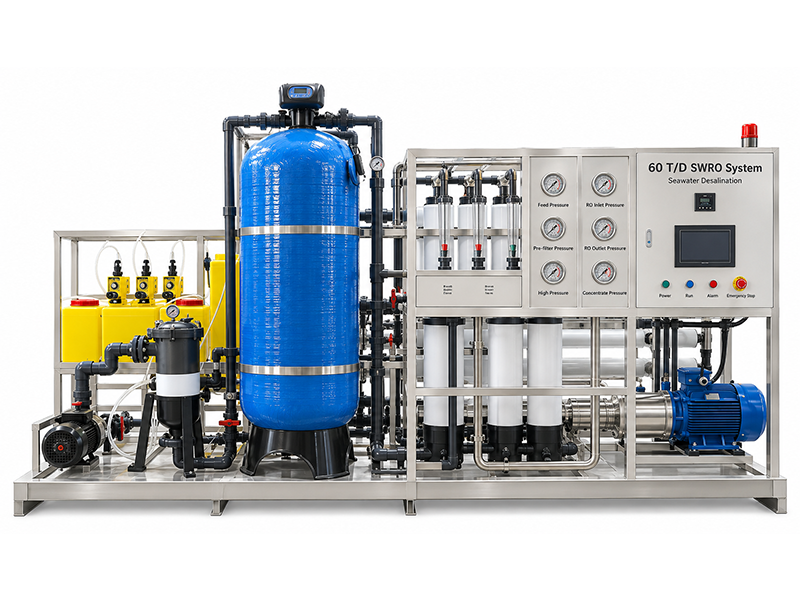
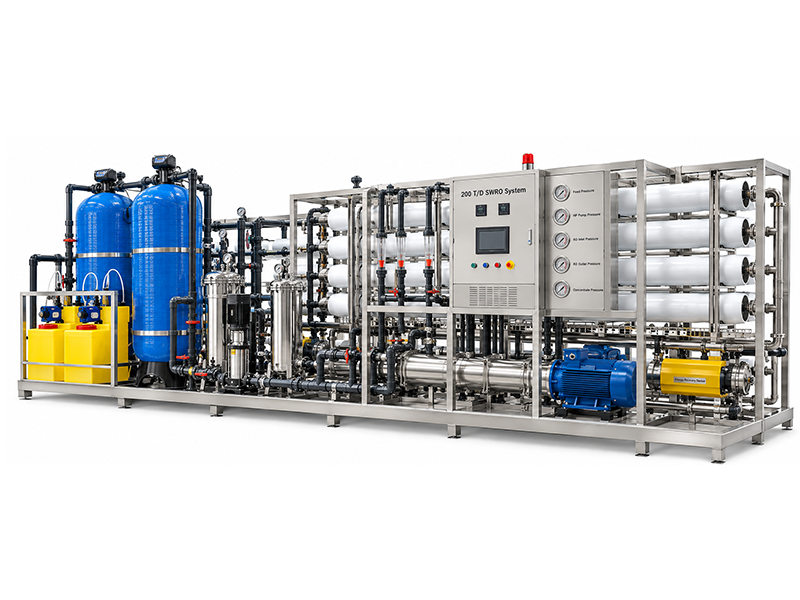
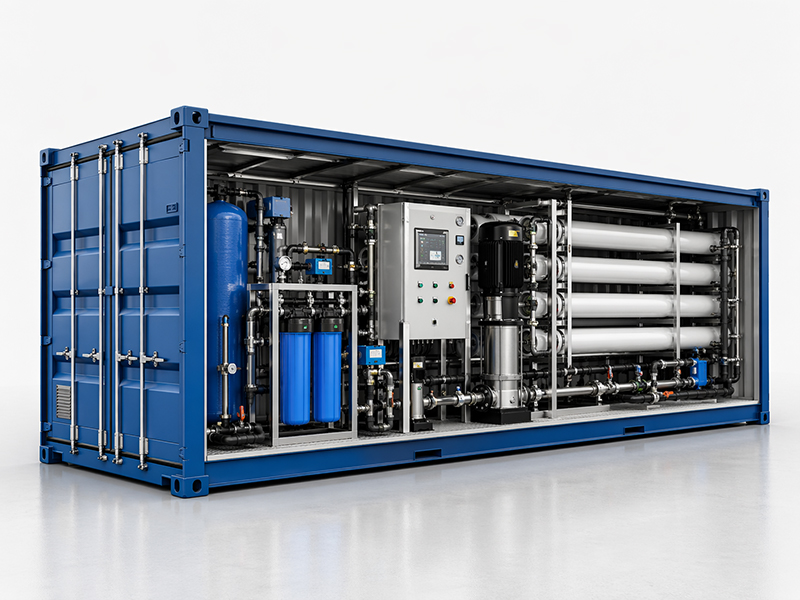

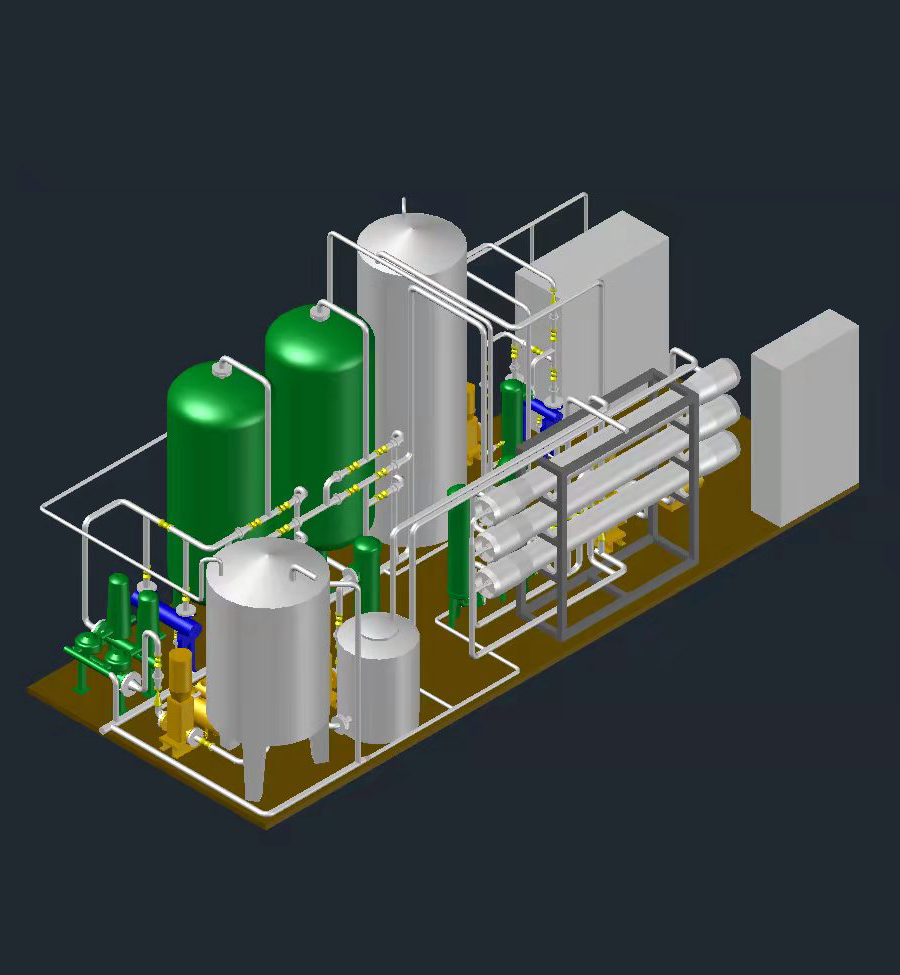
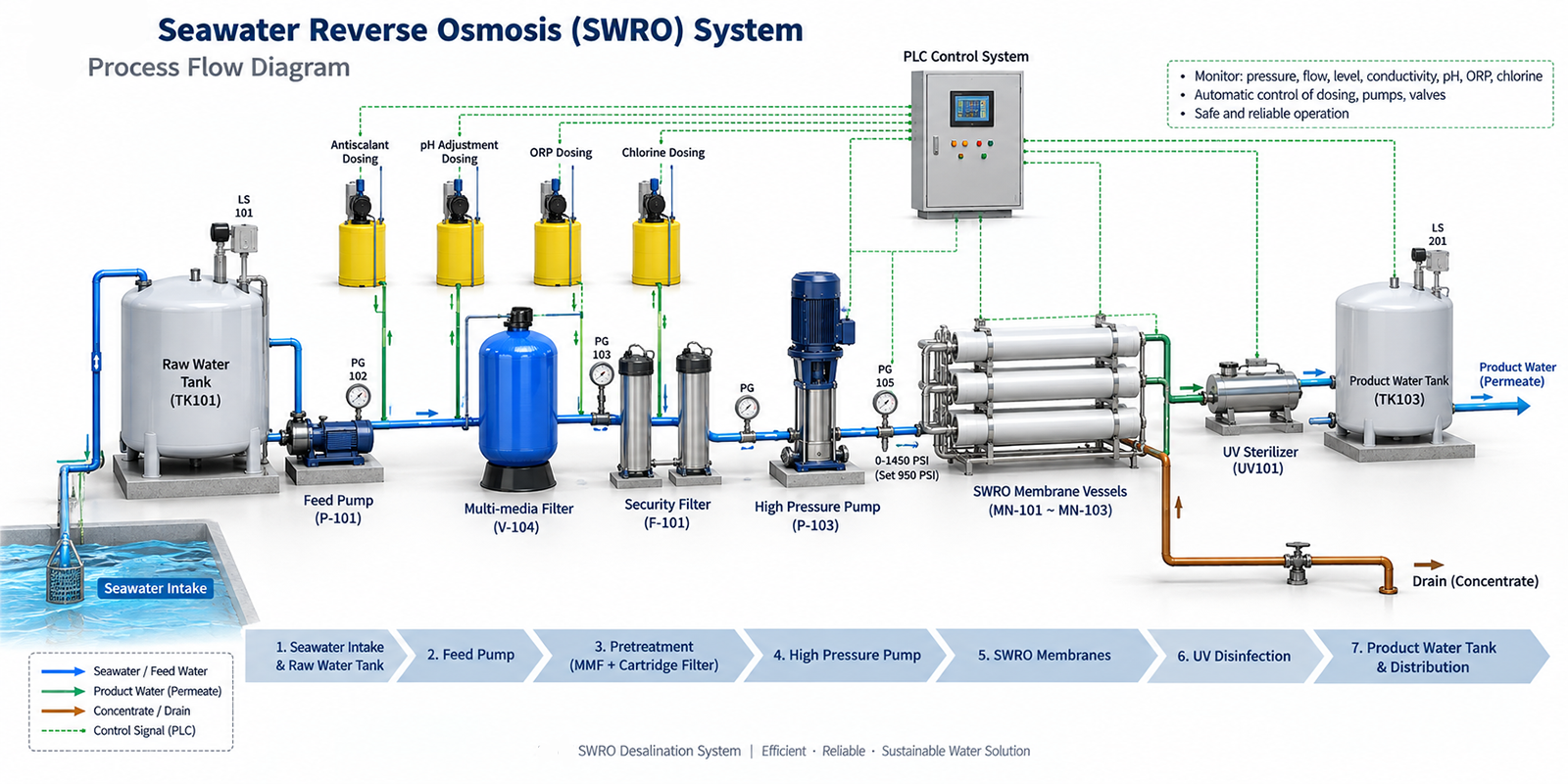
Aqurion integrates treatment, high-pressure hydraulics, instrumentation and controls into one coordinated seawater desalination system.
Collect feed water and account for source variability.
Remove larger debris where required.
Control turbidity, suspended solids and fouling risk.
Provide final particulate protection before RO.
Apply chemistry where water analysis requires it.
Provide the hydraulic pressure required for membrane separation.
Separate low-salinity permeate from concentrate.
Collect water for use or downstream treatment.
Condition water for potable or process requirements.
Integrate concentrate handling with site requirements.
At Aqurion, we design and manufacture industrial seawater reverse osmosis systems based on each project’s feed-water quality, required capacity, product-water target and installation conditions. From pretreatment and high-pressure RO to controls and post-treatment, we develop complete SWRO solutions rather than supplying only standard membrane units.
We select suitable wetted materials, piping and components for high-salinity seawater service to support corrosion resistance and reliable long-term operation.
We manufacture configurable SWRO systems ranging from compact watermakers to larger industrial desalination plants. Pretreatment, membrane configuration, controls, automation and post-treatment can be customized for each project.
We engineer and manufacture SWRO systems for demanding coastal, onshore, marine and offshore applications, with equipment selected according to operating hours, site conditions and maintenance requirements.
Energy consumption is one of the main operating considerations in seawater reverse osmosis because the membrane feed must be pressurized against the high osmotic pressure of seawater.
For suitable systems, an energy recovery device captures hydraulic energy that would otherwise leave the plant with the high-pressure concentrate stream and transfers much of that energy back into the RO process. This can substantially reduce the power requirement of the high-pressure pumping section. Modern isobaric pressure exchangers can reach very high device efficiencies, although the actual plant-level energy saving depends on the complete hydraulic design and operating conditions.
Energy recovery is only one part of operating-cost control. Good SWRO design also considers:
Pretreatment deserves particular attention because reduced fouling helps preserve membrane performance and can decrease unnecessary cleaning and downtime. A real large-scale SWRO installation documented by Veolia, for example, uses DAF followed by filtration before the RO stage to manage algae, suspended matter and fouling risk; this illustrates why pretreatment needs to reflect the actual seawater source.
SWRO is particularly useful where seawater is readily available but dependable freshwater is limited, expensive to transport or subject to seasonal shortages.
Typical projects include islands and remote coastal communities, where desalination can provide an independent local water source instead of relying entirely on transported freshwater.
Hotels and coastal resorts can use seawater desalination for potable supply and general facility-water requirements, subject to appropriate post-treatment and local drinking-water requirements.
Municipal and community water systems use larger SWRO plants as part of public water-supply infrastructure.
At coastal industrial plants, desalinated water may serve as a primary supply or as feedwater for additional treatment required by industrial processes.
SWRO systems are also used at marine facilities, offshore installations, work camps, vessels and yachts, with plant configuration adapted to available space, operating environment and production requirements. Commercial seawater RO membranes are specifically available for both land-based and marine desalination applications.
For industrial users, SWRO permeate may also provide feedwater for downstream polishing processes when a process requires water quality beyond what a single RO stage can deliver.
A technically useful quotation starts with project data. The more accurately the operating conditions are defined, the easier it is to select an appropriate process configuration instead of quoting a generic desalination skid.
For an initial SWRO proposal, provide as much of the following information as available:
If a complete water analysis is not yet available, the project can still be discussed at a preliminary stage. Final membrane sizing, pretreatment selection and performance expectations, however, should be based on representative feed-water conditions.
Send us your required freshwater capacity, seawater analysis, final water-quality target and installation conditions. We can use these inputs to develop the process configuration, equipment scope and technical proposal for your seawater reverse osmosis project.Yes, provided the hydraulic, electrical, control, and water-quality interfaces are reviewed. Integration may require modifications to tanks, pumps, piping, pretreatment, dosing, instrumentation, or control logic. Existing upstream and downstream equipment should be evaluated before the final configuration is approved.