Talk To Our Engineer Now
Before you go, our engineers can review your water quality, process needs, and budget to suggest the right system - share a few details now and get expert feedback

A desalination plant seems easy when a person clarifies it in one sentence.
Deep sea enters. Freshwater comes out.
Great story.
Yet any person who has actually operated, defined, purchased, or appointed water treatment devices knows the real plant is not that clean. There are consumption displays, raw water pumps, media filters, chemical application lines, cartridge real estates, high-pressure pumps, membrane vessels, post-treatment skids, tank, decline lines, control board, alarm systems, cleansing ports, and– essential– operators that need to maintain the thing stable after the supplier leaves the website.
That’s the part sales brochures typically soften.
For commercial customers, EPC specialists, plant supervisors, and purchase groups, recognizing exactly how a desalination plant works is not academic. It impacts CAPEX, operating cost, power demand, membrane life, water top quality, brine disposal, downtime threat, and extra parts preparing.
A desalination plant is not one maker.
It’s a procedure train.
The majority of modern commercial desalination plants utilize reverse osmosis, especially for salt water and briny water. Thermal desalination still has a duty in huge heat-integrated or power-linked tasks, however, for several industrial, business, marine, resort, and remote applications, RO is generally the technology buyers look at initially.
The membrane layer removes the salt.
The complete plant maintains the water dependable.
And that’s where the real engineering starts.
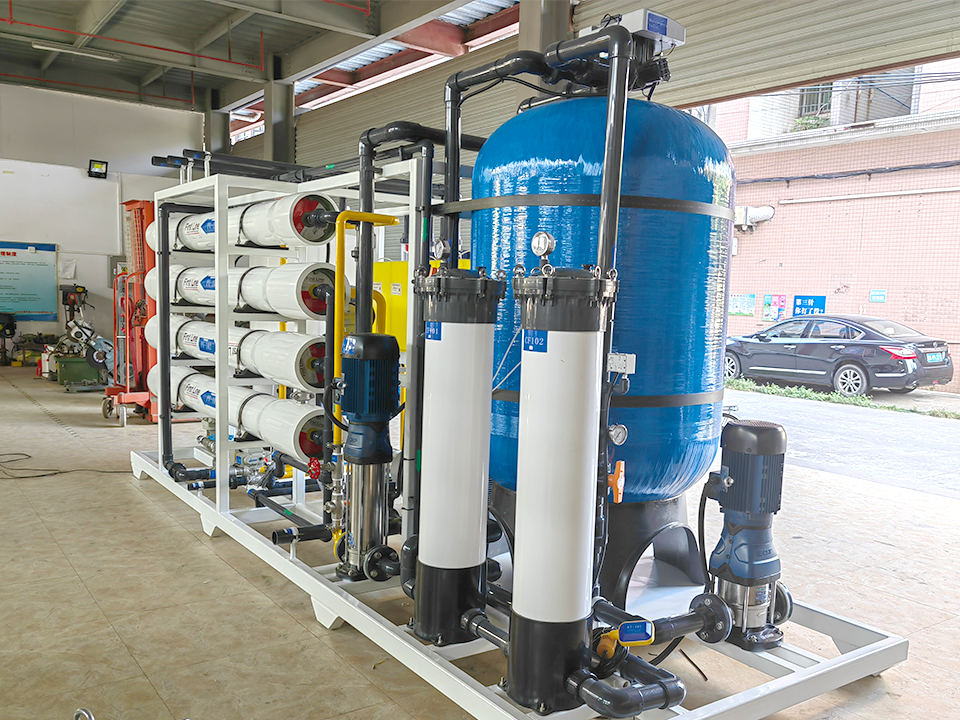
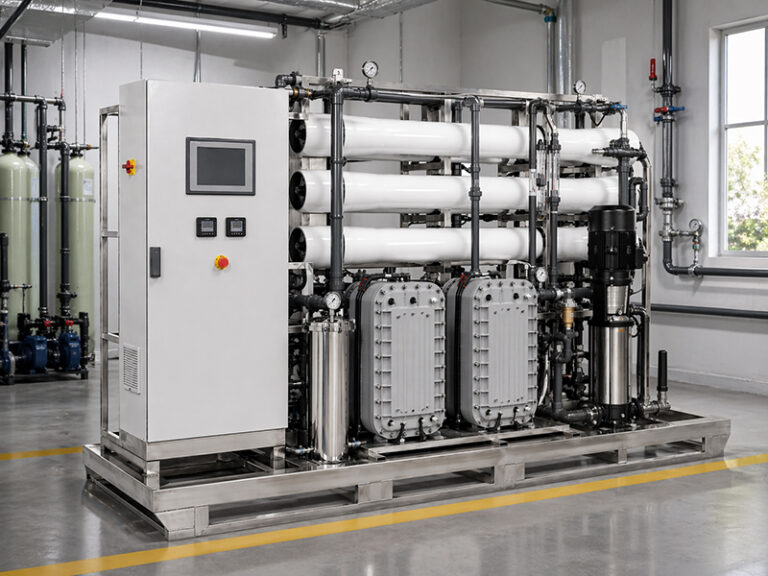
A desalination plant works by taking saline water, removing suspended solids and contaminants through pretreatment, pressing the water via a desalination procedure such as reverse osmosis, and afterwards changing the cured water for final use. The plant generates two primary streams: cured water, called permeate or product water, and concentrated deny water, called brine or concentrate.
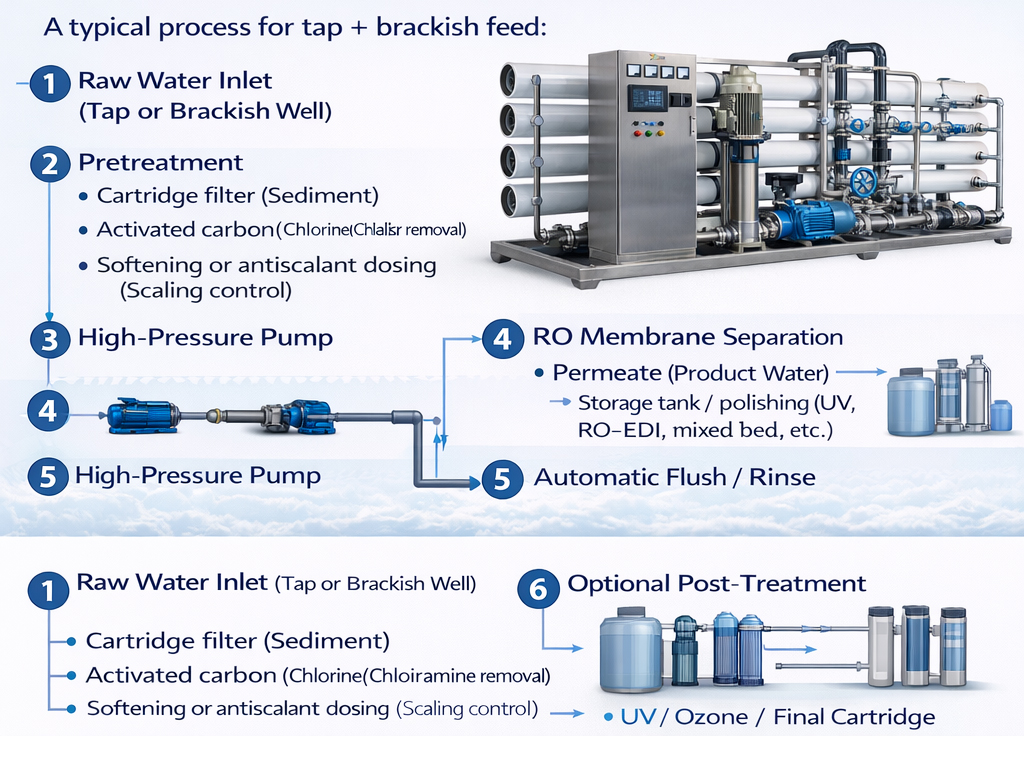
In a modern-day RO-based desalination plant, the basic flow is:
Raw water intake → screening → pretreatment → cartridge purification → high-pressure pump → RO membrane layers → post-treatment → product water storage → circulation
For seawater, a properly made salt water RO systems plan can eliminate dissolved salts from sea water and produce water for drinking, commercial procedures, hotels, marine use, or energy supply. For lower-salinity resources, brackish water RO systems may be more suitable and energy-efficient.
Easy flow.
Complex decisions.
Feed water salinity, turbidity, SDI, algae tons, scaling prospective, membrane layer change, healing price, salt water course, power rate, and final product water target all push the design in different directions. A plant for a coastal resort does not act like an inland brackish borehole plant. A shipboard desalination system is not the very same pet as a large industrial water supply system.
From my experience, the projects that run finest normally begin with water analysis and site conditions.
Not directory capacity.
Desalination implies salt elimination. That’s the wide meaning.
The real technology might vary.
The 3 usual desalination techniques are reverse osmosis, thermal desalination, and electrodialysis. In today’s industrial water therapy market, reverse osmosis is typically the initial alternative evaluated since it is small, modular, widely sustained, and easier to package into skids or containers.
Reverse osmosis makes use of pressure and semi-permeable membranes to different water from liquified salts. Water passes through the membrane as permeate. Most salts stay in the concentrate stream.
A wider commercial reverse osmosis systems design may be made use of for seawater, brackish groundwater, borehole water, procedure water, or high-purity water pretreatment.
RO is preferred because it does not boil the water. That generally makes it extra sensible than thermal desalination for numerous commercial and industrial projects.
But RO is sensitive.
Really sensitive.
It requires appropriate pretreatment, appropriate membrane choice, managed recuperation, secure pressure, chemical application, cleaning discipline, and operators who understand what stress decrease and conductivity trends are trying to say.
RO functions well.
When secured.
Thermal desalination utilizes warm to evaporate water and then condense the vapor as freshwater. The salts continue to be behind. Usual thermal methods include multi-stage flash, multi-effect distillation, and vapor compression.
Thermal desalination might make sense where waste warmth is readily available or where the plant is incorporated with power generation. In several compact commercial projects, though, thermal systems are less usual due to the fact that they need extra warmth, even more infrastructure, and generally a bigger footprint.
Great innovation.
Various business economics.
A supplier ought to not disregard it blindly. But purchasers need to not assume it fits every task either.
Electrodialysis utilizes electric potential and ion-selective membrane layers to relocate liquified ions out of water. It is usually better for brackish water than full salt water since power demand increases as salt lots rises.
For moderate salinity reduction, electrodialysis can be useful. For ocean-level salt water desalination, reverse osmosis is generally a lot more sensible.
That’s the field solution.
Make use of the best device for the salt tons.
A desalination plant is best recognized as a series of protection, splitting up, stablizing, and discharge.
Each stage has a work.
If one phase is weak, the following stage pays for it.
Everything starts with the water source.
And no, “salt water” is not nearly enough info.
For salt water plants, raw water might come from an open ocean intake, offshore consumption, harbor intake, beach well, or subsurface intake. Each intake kind has its own individuality. Open up salt water intake can sustain bigger circulations, however it may bring algae, plankton, aquatic organisms, shell fragments, put on hold solids, silt, seaweed, and seasonal organic loading. A harbor intake might likewise bring oil traces, fuel residues, or commercial contamination.
A beach well can in some cases generate cleaner feed due to the fact that the seabed acts like a natural filter. Lower turbidity. Reduced biological load. Typically much easier pretreatment.
Sounds great.
But only if the geology works, land is offered, and the well can provide enough circulation. Not every shore can support it.
For brackish plants, the feed might come from boreholes, wells, inland groundwater, rivers, lakes, or procedure water recovery streams. Brackish water might look clear and still be tough because of solidity, silica, iron, manganese, sulfate, barium, strontium, or natural material.
Clear water can be a liar.
I have actually seen clear brackish water develop even worse scaling conversations than cloudy salt water.
The intake establishes what the rest of the plant must deal with. If the consumption water is unstable, pretreatment needs to be stronger. If pretreatment is weak, the RO membrane layers take the punishment.
Negative intake choices resemble through the plant.
Before fine therapy starts, big debris needs to be eliminated.
Displays may get rid of fallen leaves, seaweed, shells, fish, plastic, big suspended solids, and various other rugged materials. In seawater projects, intake screens likewise help in reducing aquatic microorganism impact and safeguard downstream pumps and filters.
Display style might include:
This phase is not glamorous.
It saves tools.
For raw water with varying solids, automatic testing or self-cleaning filtering can decrease manual cleansing and maintain plant operation much more secure. In some commercial systems, this front-end security is combined with media filtration or other pre-filtration equipment, depending upon consumption top quality.
Skip or undersize it, and the plant reminds you.
Typically during the worst period.
Pretreatment is the membrane protection system.
That is the cleanest description.
In RO desalination plants, pretreatment eliminates or regulates suspended solids, colloids, organics, microbes, chlorine, iron, manganese, firmness, scale-forming ions, oil, and organic fouling dangers. If pretreatment is weak, the membrane layers may nasty, scale, lose flow, show raised pressure decrease, or call for constant cleaning.
Right here’s the ugly reality: several RO “membrane layer issues” are not membrane troubles whatsoever.
They began upstream.
Pretreatment may consist of:
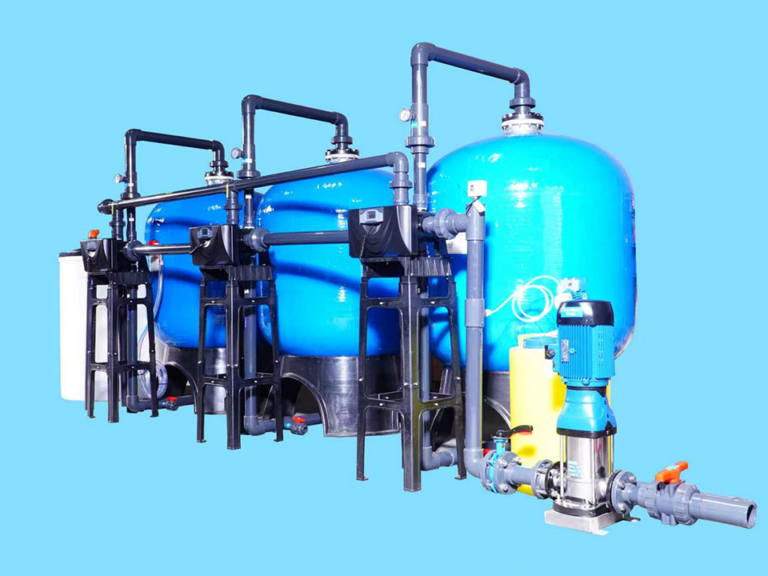
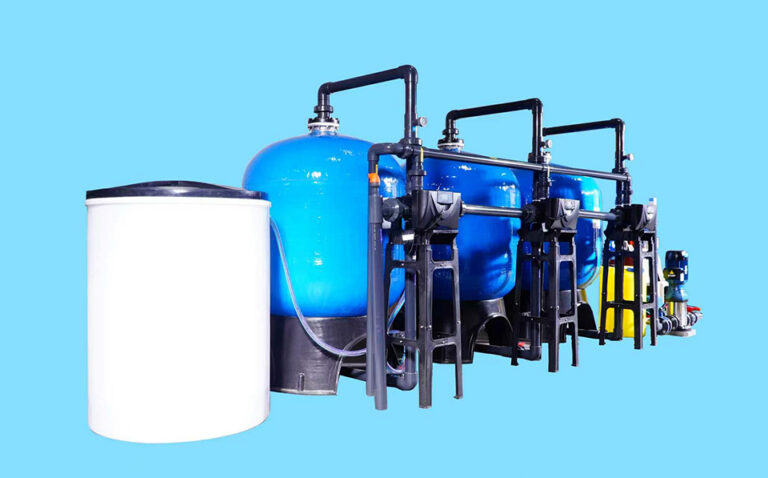
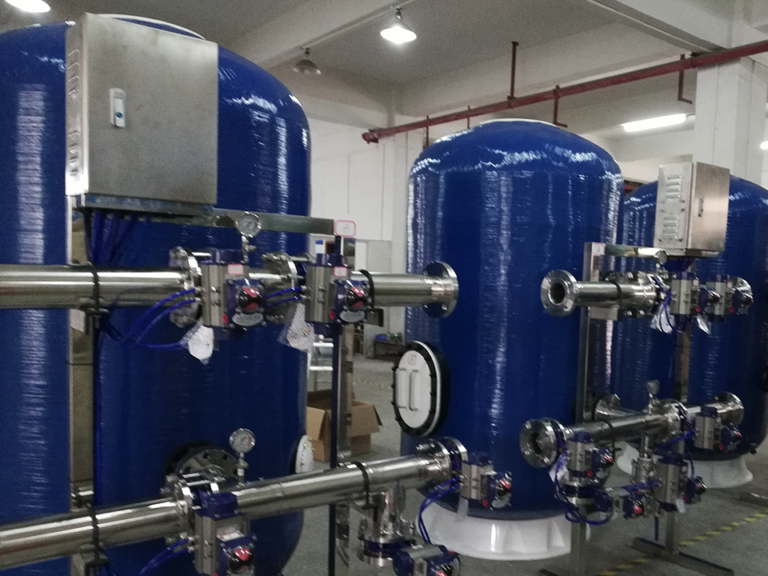
For seawater, hard surface water, or unpredictable feed problems, ultrafiltration systems may be used prior to RO to lower suspended solids, colloids, germs, and SDI. For more standard filtering duties, water media filters or media filtration systems may be utilized to remove turbidity and suspended bits.
A sand media filter or multimedia filter may be utilized in the front-end purification train. An commercial triggered carbon filter might be utilized where chlorine, organics, smell, taste, or certain chemical residuals need to be reduced.
Pretreatment is where affordable layouts often conceal danger.
Not because pretreatment looks interesting.
Since it does not.
Yet it keeps the pricey membrane array from becoming a costly dust catch.
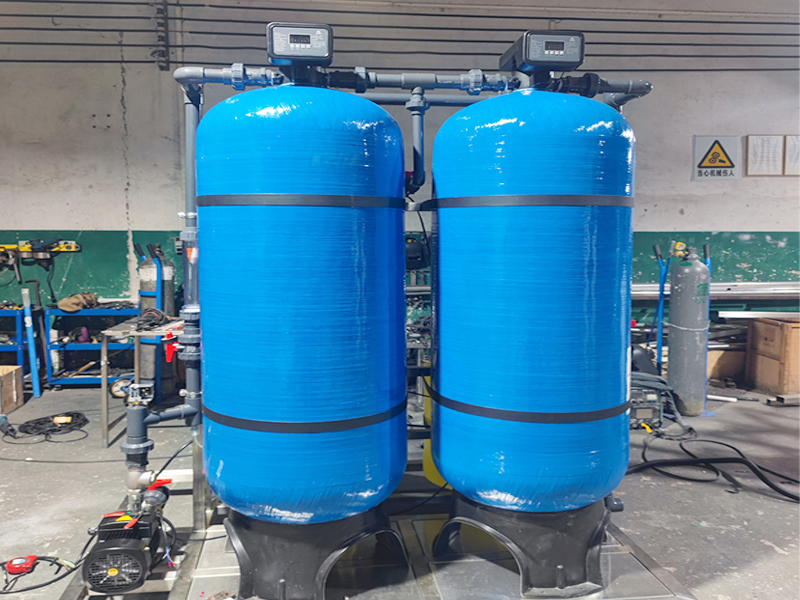
Cartridge filters supply last bit security before the RO membrane system.
Cartridge filter housings are typically installed prior to the high-pressure pump or RO membrane layer stage. They record great fragments that go through upstream filters and help secure membrane feed networks.
But cartridge filters ought to not serve as the major pretreatment system.
That’s a typical error.
If cartridges clog every couple of days, the answer is not simply “replace even more cartridges.” Something upstream is underperforming. Possibly the media filter is undersized. Perhaps coagulation is wrong. Maybe backwash settings are weak. Perhaps the intake changes after rainfall, tide shifts, or algae growth.
Cartridge filters are the last guard.
Not the entire army.
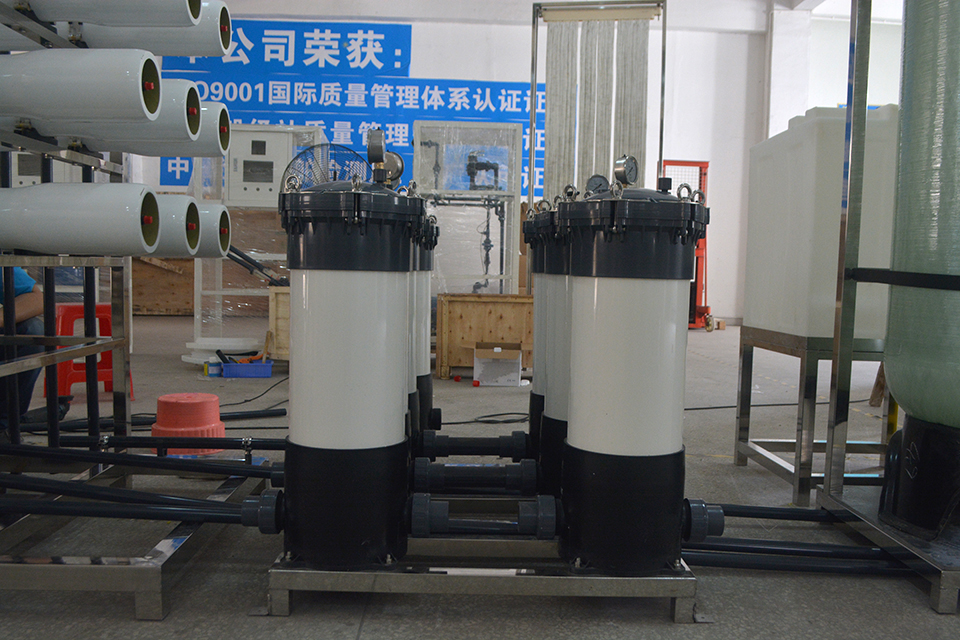
Desalination needs pressure.
In an RO plant, pressure presses water with the semi-permeable membrane layer. The needed pressure relies on feed salinity, temperature level, membrane layer type, healing rate, and preferred production.
Seawater has high salinity and high osmotic pressure, so salt water RO calls for higher stress and more power. Brackish water has lower salinity, so it normally needs reduced pressure and less energy.
Pump choice influences:
For bigger salt water systems, power healing gadgets may lower power consumption by recording pressure energy from the brine stream.
Buyers ought to request anticipated operating power.
Not just installed motor power.
Set up power informs you the motor size. Operating power tells you what the proprietor spends for. Those are not the same conversation.
Power expense is where desalination gets real.
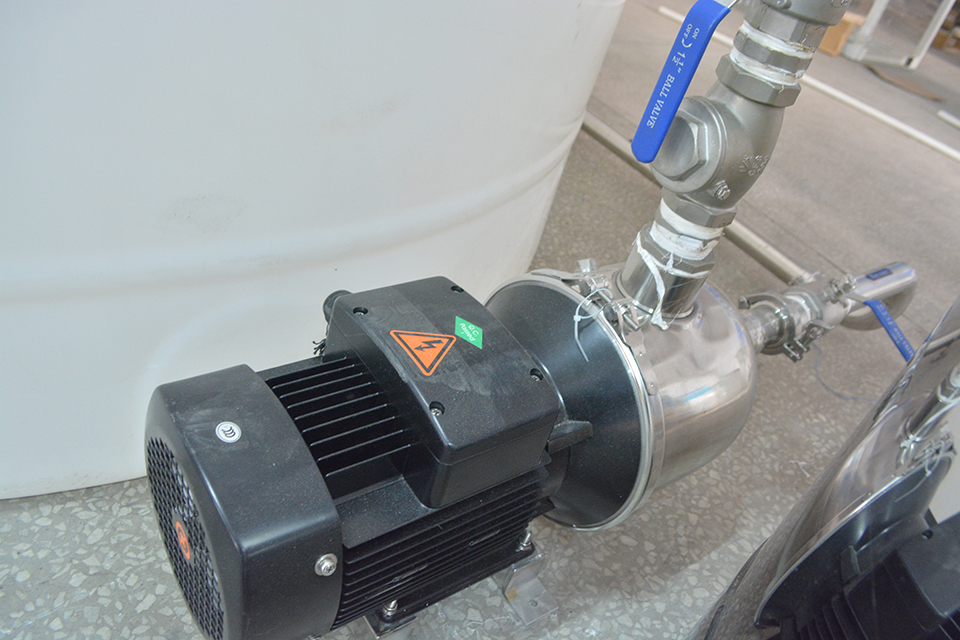
This is where most modern-day desalination plants remove salts.
In salt water systems, salt water RO membranes deny liquified salts under high stress. In briny water systems, briny water RO membranes are utilized for lower-salinity feed water at lower operating stress.
Inside the pressure vessels, feed water flows across the membrane layer surface. Component of the water passes through as penetrate. The staying water lugs declined salts away as concentrate.
The RO layout should stabilize:
Press the system also hard, and the plant ends up being unpredictable.
High recovery can enhance scaling threat. High flux can boost fouling. Weak pretreatment can shorten membrane layer life. Poor chemical dosing can create range. Chlorine exposure can harm membranes. A design that looks remarkable on day-one capacity may not look so excellent after 6 months of cleansing and cartridge changes.
I truthfully favor a somewhat conservative membrane layer design for numerous commercial buyers.
It might not win the flashiest quotation contrast.
It usually wins in operation.
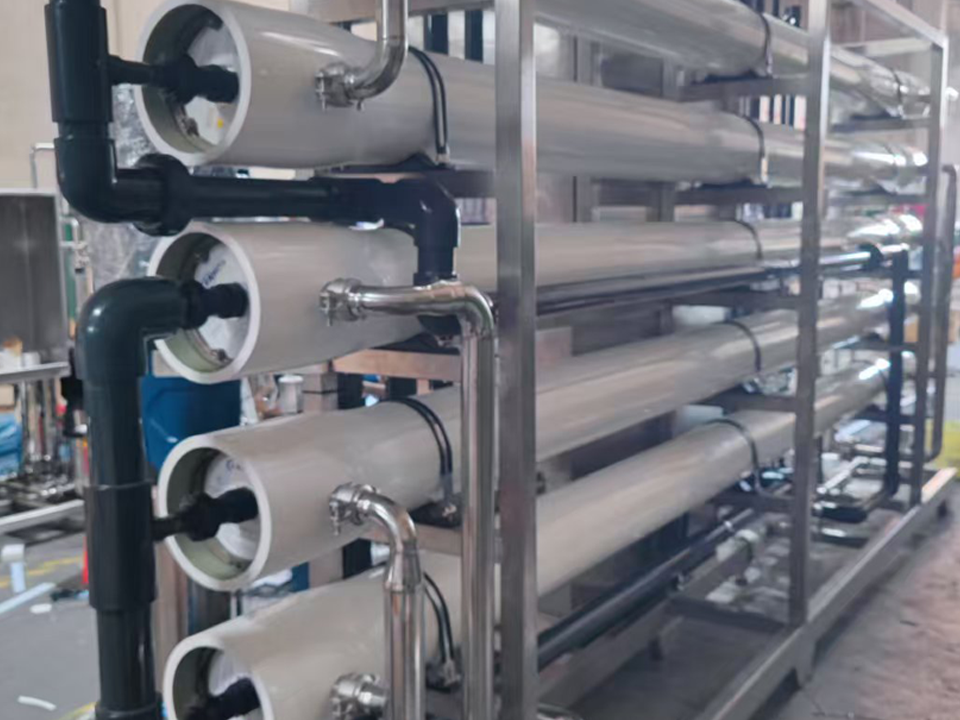
RO permeate is not constantly all set for final usage.
For alcohol consumption water, the penetrate might need pH adjustment, remineralization, sanitation, UV sanitation, chlorination, and last purification. RO permeate can be reduced in alkalinity and minerals, so stabilization might be called for prior to storage and distribution.
For commercial usage, the needed post-treatment depends on the application.
For central heating boiler applications, boiler feedwater therapy systems might be called for to regulate firmness, silica, oxygen, conductivity, and rust threat. For cooling towers, cooling tower water treatment focuses on scaling, rust, biological growth, and cycles of focus.
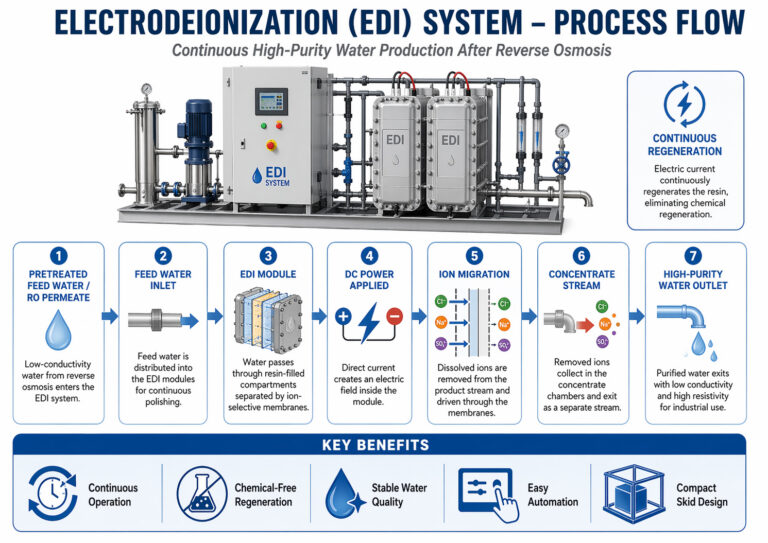
For high-purity water production, RO EDI systems or electrodeionization EDI systems may be utilized after RO to even more reduce conductivity. In some works, high-purity water systems incorporate RO, EDI, brightening, disinfection, storage space, and circulation controls.
Salt elimination is one action.
Useful water is the target.
That distinction prevents a lot of poor requirements.
After post-treatment, item water is stored and distributed.
Tank balance manufacturing and need. The desalination plant might run continuously while water need fluctuates during the day. Proper tank sizing avoids brief biking and supports steady procedure.
Storage design may include:
Yet storage obtains disregarded.
Frequently.
For drinking water supply, storage space must shield microbiological top quality. For commercial systems, storage must protect conductivity, pH, cleanliness, and often temperature or microbial limits.
A good RO plant can still provide bad water if the storage tank is filthy, severely vented, inadequately flowed, or made from the wrong material.
The plant does not finish at the membrane layer skid.
Every desalination plant generates a concentrate stream.
No exception.
Salt water consists of the salts denied by the process and may include chemical residuals from pretreatment or cleaning. It needs to be released, diluted, combined, vaporized, injected, reused, dealt with better, or took care of according to regional regulations and site conditions.
For seaside salt water plants, brine may be discharged back to the sea when proper dilution, diffuser layout, and permitting are in location. For inland briny water plants, salt water disposal can be harder since sea discharge is inaccessible.
A containerized briny water desalination plant might still need a major concentrate disposal strategy.
Salt water management must be reviewed early.
Very early.
Late salt water preparation can break a task. Or a minimum of make it far more costly than the original quote suggested.
Salt water and briny water desalination are similar in concept however different in style.
| Item | Seawater Desalination | Brackish Water Desalination |
|---|---|---|
| Feed resource | Sea, sea, seaside consumption | Wells, boreholes, inland groundwater |
| Salinity | High | Reduced to moderate |
| RO pressure | Greater | Lower |
| Power usage | Higher | Reduced |
| Membrane layer type | Salt water RO membranes | Brackish water RO membrane layers |
| Pretreatment | Commonly stronger | Rely on chemistry |
| Brine disposal | Usually sea discharge if allowed | Typically harder inland |
| Typical applications | Islands, hotels, seaside plants, marine | Agriculture, manufacturing facilities, inland water |
For high-salinity ocean water, industrial seawater desalination systems need SWRO membranes, high-pressure pumps, corrosion-resistant materials, and salt water discharge planning.
For inland briny water, a briny water RO system or commercial briny water RO system may be extra useful and energy-efficient.
The wrong group develops expense or efficiency issues.
A salt water system may be too expensive for briny water. A brackish system might fall short on seawater.
Water analysis decides.
Not uncertainty. Not look. Not a provider’s common design template.
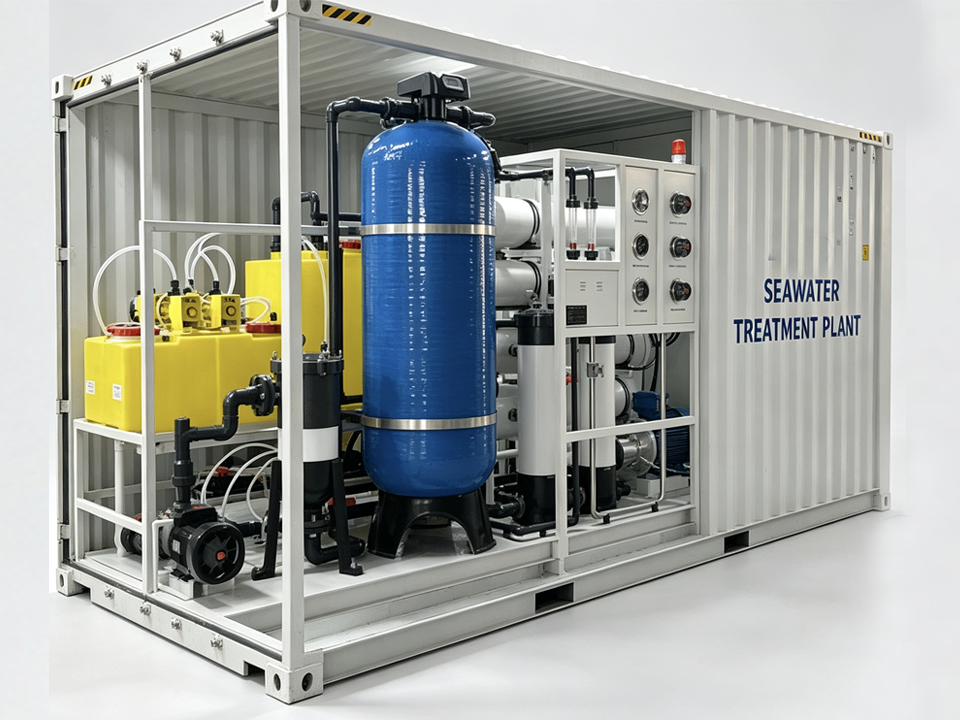
Lots of commercial buyers select containerized systems for remote or fast-deployment works.
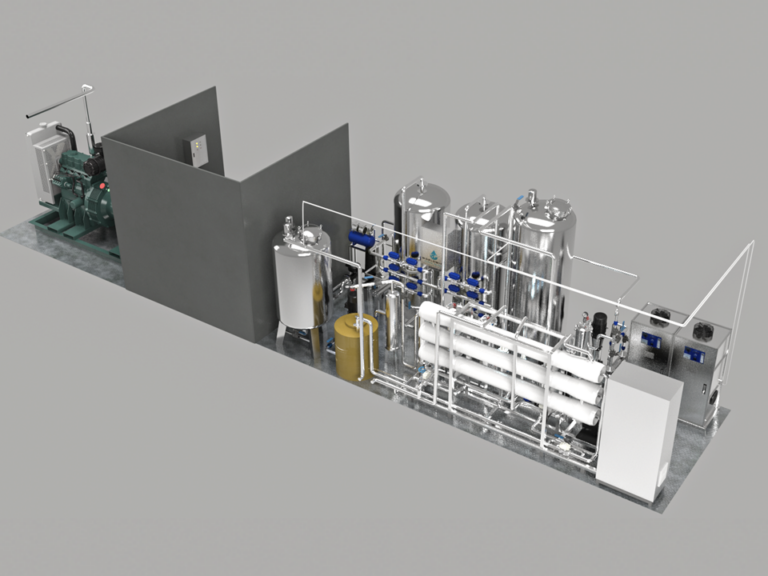
A containerized RO systems design can package pretreatment, RO membrane layers, chemical dosing, controls, and post-treatment inside a container or modular enclosure.
For seaside works, a containerized seawater desalination plant might work for islands, hotels, emergency situation supply of water, building and construction websites, and commercial facilities with limited structure space.
Containerized plants can minimize site installment time, shield equipment, and simplify logistics. However they still need intake piping, item water storage, salt water discharge, electric supply, water drainage, ventilation, chemical handling, and safe upkeep accessibility.
A container is a product packaging format.
Not a shortcut around design.
I’ve seen containerized systems that looked exceptional in format illustrations yet hurt for upkeep. No membrane layer pulling room. Chemical containers also close to cartridge housings. Poor drainage. Warm panels. Tight pump accessibility.
Pretty container.
Hard operation.
That is not a good trade.
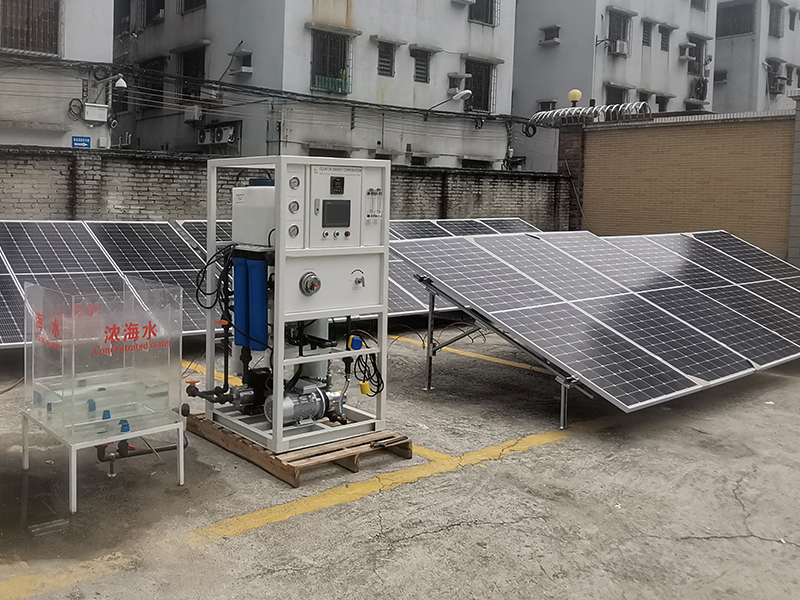
In remote or off-grid areas, solar-powered desalination can sustain water production when electricity is pricey or unavailable.
Solar-powered desalination may be suitable for islands, rural communities, emergency water supply, little coastal systems, and off-grid facilities. Nevertheless, it has to be sized thoroughly.
RO systems require steady circulation and stress. Solar output adjustments with time of day, climate, and season. If water is needed at night or during gloomy conditions, the system might need batteries, item water storage, back-up generators, or hybrid power control.
Solar reduces fuel usage in the best work.
It does not remove pretreatment, brine monitoring, membrane layer cleaning, and driver obligation.
Same water trouble.
Different source of power.
A desalination plant need to be evaluated as a complete system, not just an ability number.
An ability number is only the opening line.
A total water evaluation must consist of TDS, conductivity, pH, temperature, turbidity, SDI, firmness, alkalinity, silica, chloride, sulfate, iron, manganese, boron, organics, and microbiological risk.
One sample may not suffice if the source modifications seasonally.
Style for the worst expected feed water, not the very best example.
If the water adjustments after storms, tides, dry spell, algae flowers, or manufacturing discharge, the design requires to recognize that.
Consuming water, boiler feed, cooling down tower make-up, procedure water, watering, and high-purity water all need different therapy.
An unclear target such as “clean water” is not nearly enough.
Specify conductivity, TDS, firmness, pH, silica, microbial limitations, and any type of industry-specific demands.
“Excellent water” is not a technical specification.
It is a hope.
Pretreatment must match the feed source. Ask about purification stages, SDI target, backwash strategy, chemical application, cartridge life, and membrane layer defense.
Weak pretreatment normally ends up being expensive later.
Usually after start-up, when no one wishes to redesign the front end.
Request membrane design, style flux, recuperation price, anticipated salt being rejected, running pressure, pump performance, and power usage.
Power cost is a major part of desalination business economics.
So don’t stop at motor dimension.
Ask what the system is expected to consume throughout actual operation.
Seawater and high-chloride water require corrosion-resistant materials. Review piping, frames, pressure vessels, valves, fittings, bolts, tanks, and chemical systems.
Do not accept vague material descriptions.
Request grades.
Chlorides hold your horses. If the incorrect material is utilized, they will at some point make themselves understood.
Validate discharge technique, allowing, dilution, disposal course, tracking, and concentrate handling.
Salt water is not an afterthought.
It becomes part of the plant.
If brine can not be taken care of legitimately and practically, the plant design have to change.
Operators need area to change cartridge filters, get rid of membrane layers, service pumps, manage chemicals, and link cleaning tools.
A compact skid is great.
A confined skid is not.
Upkeep gain access to appears monotonous till someone has to draw a membrane in a warm container with pipework blocking the vessel end.
After that it matters.
Two plants might both be ranked for 100 m ³/ day, however one may consist of proper pretreatment, instruments, CIP connections, and corrosion-resistant products while the various other does not.
Capacity alone does not define worth.
It barely defines the beginning factor.
Salt water and briny water can change by period, trend, rainfall, temperature, and commercial activity. The plant ought to be designed for realistic variation.
One excellent sample can misdirect a work.
A worst-case example can save it.
Several RO issues begin prior to the RO membranes. Poor pretreatment brings about fouling, scaling, high stress drop, cartridge plugging, and frequent cleaning.
Pretreatment is not attractive.
It is survival devices for the membrane layer stage.
Desalinated water might still require pH improvement, remineralization, sanitation, or polishing prior to last usage.
Salt removal does not automatically equivalent ended up water.
A plant that can not take care of brine appropriately may not be permitted or practical to run.
This is not paperwork.
It is task feasibility.
Automation assists, yet drivers still need to keep track of pressure, circulation, conductivity, chemical dosing, cleansing intervals, and alarm systems.
A control board can alert you.
It can neglect the plant by itself.
The major function of a desalination plant is to eliminate dissolved salts and various other pollutants from seawater or briny water to generate usable water for drinking, industrial procedures, utilities, irrigation, or high-purity applications.
Reverse osmosis is among the most typical desalination procedures for contemporary commercial and commercial tasks since it is compact, modular, and appropriate for salt water and briny water therapy.
No. A full desalination plant might likewise remove put on hold solids, organics, bacteria, chlorine, solidity, iron, manganese, and various other pollutants with pretreatment and post-treatment stages.
The removed salt leaves the plant in a focused stream called salt water or concentrate. This stream has to be released or handled according to regional laws and site problems.
Pretreatment safeguards RO membrane layers from fouling, scaling, chlorine damage, suspended solids, organic development, and various other problems that can lower efficiency or reduce membrane life.
Yes. A desalination plant can generate alcohol consumption water when it consists of correct pretreatment, desalination, post-treatment, remineralization, disinfection, and water quality monitoring.
Typically yes. Salt water has higher salinity and needs greater pressure, more power, stronger products, and much more cautious brine monitoring than brackish water.
Yes. Desalination plants can be built in containerized styles for islands, remote sites, emergency water system, building camps, resorts, and commercial centers.
A desalination plant works by taking salty water, preparing it with pretreatment, dividing salts via a desalination process such as reverse osmosis, maintaining the cured water, and taking care of the brine stream.
That is the tidy interpretation.
The useful version is bigger: intake, screening, pretreatment, cartridge filtering, high-pressure pumping, membranes, post-treatment, storage, brine disposal, controls, materials, cleaning gain access to, and operator discipline.
For industrial purchasers, the best plant is not just the one with the most affordable price or the highest circulation price on paper. It is the one developed around actual feed water quality, called for item water, energy expense, salt water disposal, website conditions, and long-term maintenance.
The membrane layer removes the salt.
The complete plant delivers dependable water.