Get The Quote In 60 Minutes
Share your water quality and project requirements today to receive a tailored industrial water treatment system from our engineer team within 1 hour.


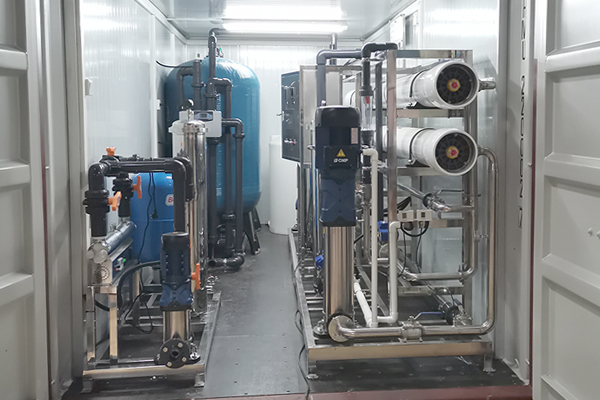
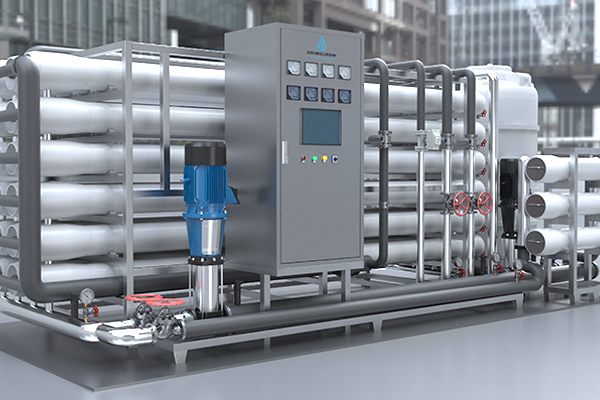
This post breaks down desalination step by step, explaining how seawater moves through intake, filtration, RO membranes, energy recovery, post-treatment, brine disposal, and distribution.
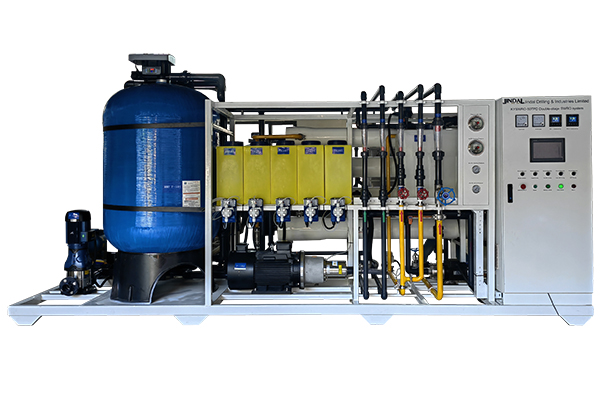
This blog explains how a desalination plant turns seawater into drinking water, covering intake, pretreatment, RO membranes, energy recovery, brine handling, and post-treatment.
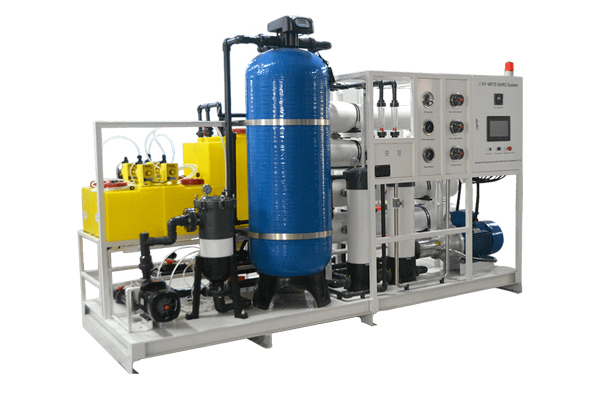
This post explains the main downsides of reverse osmosis desalination—high energy use, brine waste, ocean impacts, costly maintenance, and long-term financial lock-in.
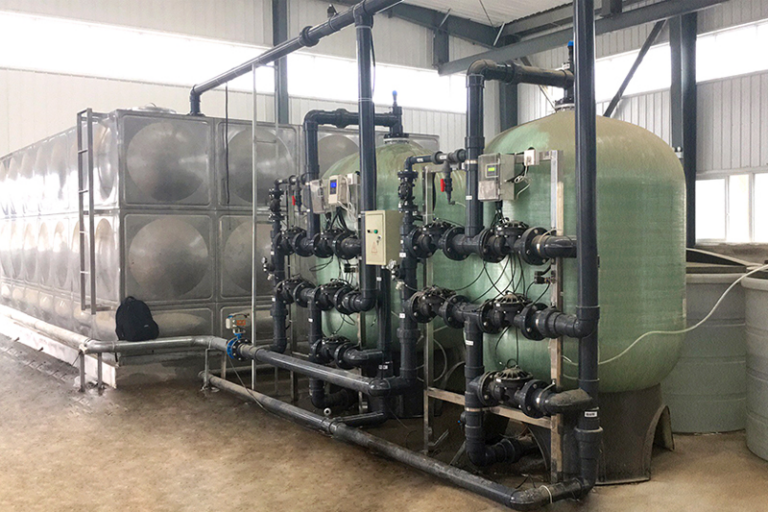
Learn how the RO system for desalination works, its components, and why it’s the go-to method for turning seawater into fresh water in coastal areas and industries.
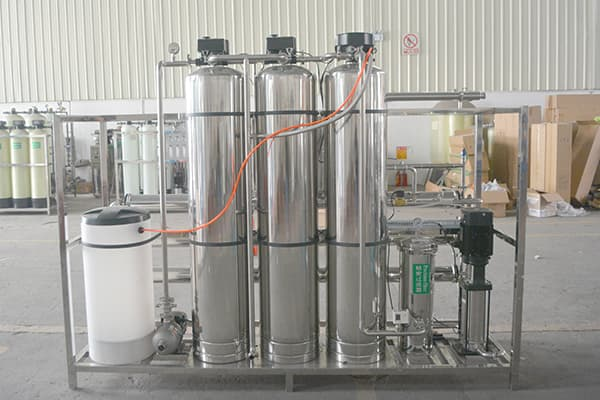
Seawater reverse osmosis (SWRO) is the workhorse of modern desalination. It uses high-pressure pumps and RO membranes to separate fresh water from salt, then relies on smart pretreatment and energy recovery to stay efficient. This guide explains how SWRO really works—and what can go wrong.
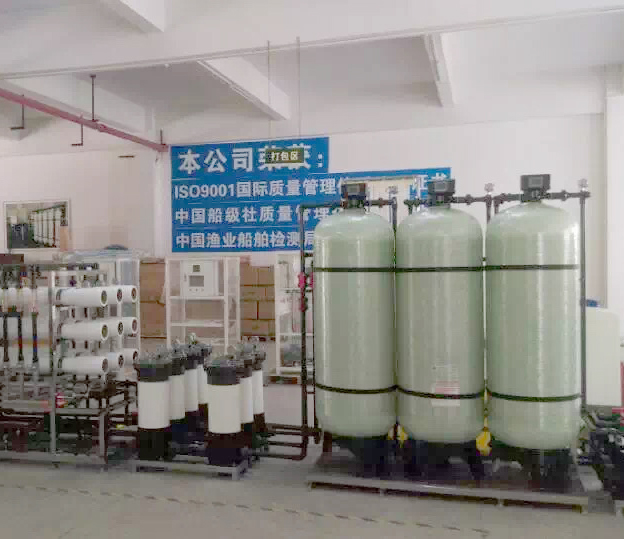
Is reverse osmosis the solution for seawater desalination? Uncover the potential and challenges of using RO systems for seawater